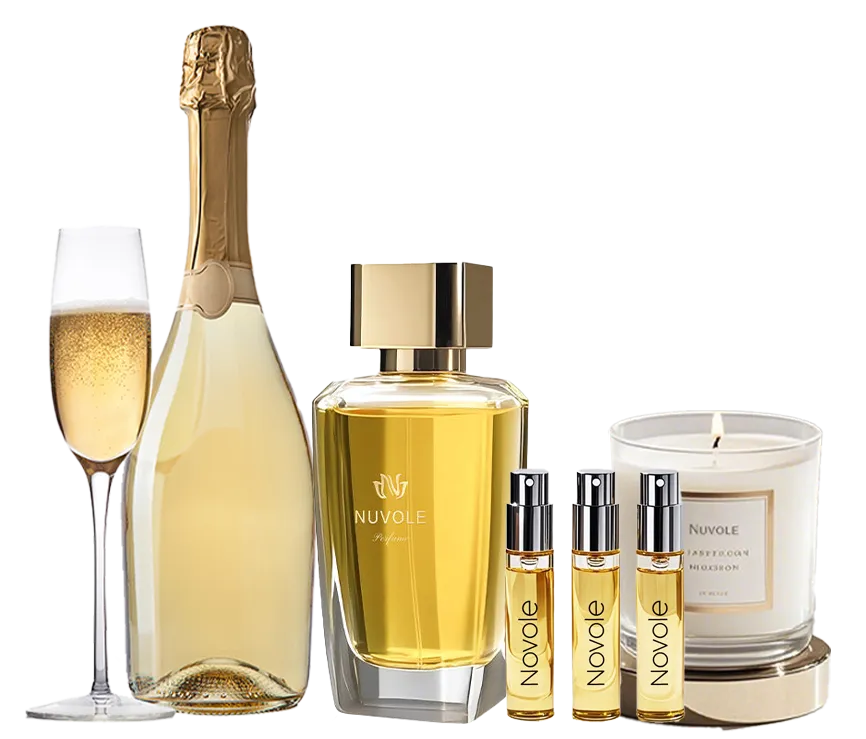
To most perfume lovers, the perfume bottle is much more than a mere cosmetic item; it is a high-tech sort of time capsule of all the memories, a liquid brand of identity, and in most cases, a huge financial outlay. The next logical and rather nervous question that will come to mind as your collection expands is; How long does a perfume last in a bottle? And is that half-full flagon that you had three years ago still safe to put on? Why do your light top notes of citrus aroma appear to wear out sooner than your heavy ouds?
In order to find the answers to these questions we need to examine something other than the surface of the glass. Bringing together the knowledge of house professionals and high-end glass technology, this guide will be the ultimate analysis of the longevity of fragrances, degradation, and the secret behind the longevity of the container, such as how fragrances whose ratio of heavier base notes is higher can influence longevity.
Understanding the Shelf Life: Does Perfume Ever Actually Expire?
Perfume does not go out of style; it changes as opposed to organic goods. Although it will not form mold, its chemical bonds, which is an x-mixture of oils and ethanol, will renounce and re-form. Although the industry quotes 3 to 5-year shelf life as the reason of liability, a fragrance stored in high-performance glass may stay crystal clear beyond ten years.
This molecular clock is dependent on the DNA of the fragrance and its rate:
| Note Category | Ingredients | Stability |
| Top Notes | Citrus, Berries | Low: Small molecules that oxidize and turn sour first. |
| Middle Notes | Florals, Spices | Medium: The scent’s heart; moderately stable. |
| Base Notes | Oud, Amber, Musk | High: Large, bulky “fixatives” that last for decades. |
The actual countdown will be started at your “First Spray” not at the factory. The initial press breaks the hermetic vacuum in the bottle, and the ambient oxygen, the main oxidation catalyst, is introduced. Hereafter the perfume will only survive with the goodness of the seal on the bottle and the glass cover.
The Three Silent Killers of Fragrance Longevity
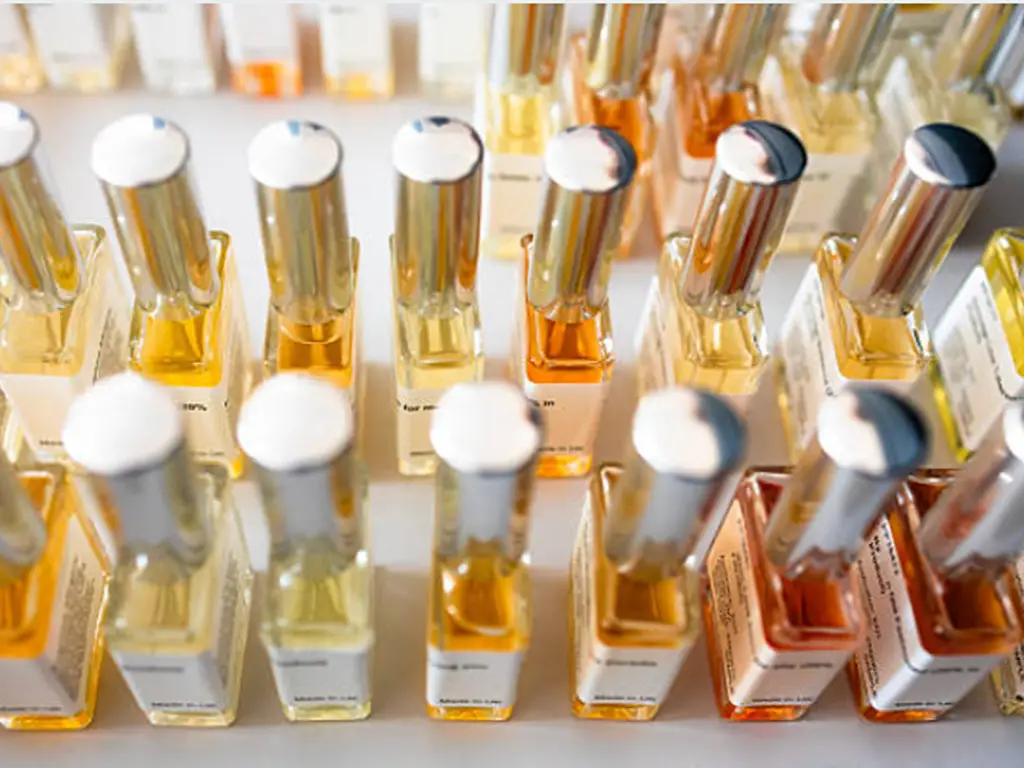
The three main enemies of any scent that you keep as a favorite scent to consider the extension of its life with your body chemistry are to be identified and neutralized. We conduct intense stress tests at the Nuvole laboratory in order to see how these external factors percolate into the container.
Heat and Humidity (The Bathroom Trap)
The heat is probably the most ferocious murderer of delicate perfumes particularly in the hot weather. At a molecular level, heat offers kinetic energy to the aromatic compounds, which vibrate and collide especially when done to pulse points. This causes premature chemical reactions which cook the smell.
A lot of individuals keep their inventory in the bathroom. This is a mistake. Bathroom is the cemetery of the luxury beauty products such as perfume because of the changing temperature levels and in direct sunlight. When you take a shower, the room becomes hot and humid; and when you get out it becomes cold. This pumping effect and the resulting expansion and contraction of the liquid and the air within the bottle makes the seal of the pump to be stressed and this is known to drive air into the bottle.
UV Exposure and Photodegradation
The ultraviolet (UV) light serves as a superpower scissor which cuts the fragile chemical bonds of the top notes. That is the reason why perfumes stored on a sunny windowsill will almost always turn yellow or brown and lose their freshness in only a few months, which is a tragedy that befalls most fragrances which do not last year after year.
The myth concerning glass bottles is that they offer equal protection. In luxurious production, the preference of raw materials plays an important role in perfume conservation. Although common soda-lime glass can be used to meet simple demands, luxury scents are made of medical grade glass raw materials. It is more dense in structure and it is chemically inert which makes it a better shield to volatile notes such as bergamot or neroli. High-density glass preserves the original pH balance and molecular stability of the scent (even in less-than-perfect environmental conditions) across years by forming a more stable thermal barrier and eliminating the so-called leaching of the metal ions into the liquid.
Oxidation and the Failure of the Seal
The essential oils are oxidized by the reaction of oxygen molecules making them rancid. Herein, the design of the bottle is the first line of defense. When a manufacturer employs a pump that is of low precision, there will be a continuous, invisible exchange of air through the threading of the neck, and this will cause the degradation of the juice even when the bottle remains stationary in a cool, dark environment.
How to Identify if Your Perfume Has “Turned”
Should you have a forgotten bottle in the back of your closet, take these steps of professional diagnosis before you can apply it to your skin.
- The Visual Inspection (Color and Clarity): Comparing the liquid with a white background. Is it very dark? (e.g. not clear but amber). Although certain components of a dish, such as vanilla or jasmine, are expected to become darker with time, any cloudy or milky color is an indicator of contamination or severe oxidation.
- The Olfactory “Top Note” Test: Spray the perfume to a strip of paper. The top notes have oxidized in case the first 30 seconds smell of vinegar, nail polish remover or old celery. In other cases, when you spray 5-10 times to clear the straw, the liquid that is further in the bottle might still be good.
- The Physical Test (The Sticky Residue): When the liquid has taken on a syrupy appearance, or forms a thick, resinous residue on the nozzle, the essential oils are in a condition of high degree of degradation.
- The Skin Reaction: Perfume with different PH level is oxidized. Whenever a perfume that once smelled good now results in redness or a tingling feeling on your skin you know that the chemical structure has changed and transformed into a skin irritant. Skin irritation should not be overlooked.
The Secret Role of Container Engineering in Preserving Scent
Although fragrance fans are often engaged in opinions on the quality of the ingredients, or the expertise of the perfumer, the most decisive factor on the lasting nature of the fragrance is often a silent ally: container engineering. In terms of manufacturing, it is often not only the liquid that explains why some perfumes are elegantly longevous (more than five years) and others get ruined in months. Rather, it is a question of airtight integrity and protection against temperature fluctuations.
Degradation of fragrances usually starts at the microscopic scale. The expensive essential oils are exposed even before they can really reach their price because they are so susceptible to oxygen exposure. It is due to the fact that precision of the pump mechanism is the most significant element of the scent preservation. The pump body and the glass neck have a high-precision pump unit, and even the smallest gaps are removed. This grade of engineering is twofold; not only does this grade of engineering help keep your expensive perfume physically sealed but more importantly, it forms an insurmountable barrier against the entry of oxygen.
A well-designed bottle will stop the oxidation process before it begins by halting the supply of oxygen at its source. The world of high-end fragrance is known to believe that a scent is as good as its bottle is.
The Math of Fragrance: How Long Does 100ml Actually Last?
In addition to the chemical expiration, there exists the practical life of the products like eau de toilette, especially considering long perfume usage. The question most consumers would have is: “Will I use the 100ml bottle before it goes out of date? In order to provide this, we should consider the physics of the spray.
Sprays, Milliliters, and Daily Habits
The average pump of high quality produces about 0.1ml to 0.14ml on average. Based on the different scent notes, we will be able to determine the longevity of your unopened perfume bottle regarding how often you apply sprays depending on the amount of sprays you put on per 1ml.
| Bottle Size | Total Sprays (Approx.) | Daily Use (3 Sprays/Day) | Daily Use (5 Sprays/Day) | Usage Verdict |
| 30ml (1 oz) | ~300 – 450 | ~3.5 – 5 Months | ~2 – 3 Months | Best for travel or seasonal trends, with fragrances from The House of Creed, stored in the right way. |
| 50ml (1.7 oz) | ~500 – 750 | ~6 – 8 Months | ~3.5 – 5 Months | The ideal balance for regular use. |
| 100ml (3.4 oz) | ~1000 – 1500 | ~11 – 16 Months | ~7 – 10 Months | Great value; must be stored well. |
Why “Cloud-like Mist” Technology Changes the Math
We have been innovative in Cloud-like Mist technology at Nuvole. The pumps used, especially the traditional and cheaper ones, tend to spit large droplets and this can influence the maceration process. Not only do these broad droplets waste perfume, but also make it gather around the neck of the bottle. These residues eventually evaporate to create a sticky resin which may be used to stick the cap shut or jam the pump (the “glue effect”).
Our ultra-fine atomization enhances the experience with citrus notes, guaranteeing the liquid dispersion in the form of a dry-feeling mist so the liquid is not pooled at the seal but rather disperses through the entire 1500 sprays of the bottle when kept in a dry location to allow an intoxicating dry down of musk.
Expert Tips to Double Your Perfume’s Lifespan
With these exclusive, verified by the manufacturer tips in your pocket, you can actually extend the life of your fragrances through proper storage by 10 years and more:
- The “Original Box” Protocol: Never throw away the box. The cardboard box is specifically designed to fit the bottle’s dimensions, providing a dead-air space that acts as an extra layer of thermal insulation and 100% UV protection.
- Decant Only When Necessary: Transferring perfume into small travel atomizers exposes the liquid to a massive amount of oxygen during the pour, significantly increasing your fragrance’s exposure. Only decant what you need for a specific trip.
- The “Clean Neck” Habit: After use, wipe the spray nozzle with a dry cloth. This prevents the “resin buildup” mentioned earlier, which can slowly degrade the plastic seals of the pump over several years.
- Avoid the Fridge (Unless Specified): While cool is good, the constant vibration of a refrigerator motor and the extreme cold can actually shock some delicate natural oils. A cool closet is better than a standard kitchen fridge.
Manufacturer Insight: Why the Bottle Dictates Your Perfume’s Life
You may buy a perfume because it smells good, but how long the perfume will be on your shelf and in transit to you is all a matter of the glass and the seal. The luxury brands have rigid production protocols in place so that the contents of the liquid do not spoil before you even get the box.
Protecting the Scent During Transit
The transit heat of fragrances through the global distribution is 50 °C (122℉) and the barometric changes are high. High-performance packaging is made to keep the vacuum sealed at such pressures to avoid the weeping seals and loss of volatile top notes. This technical stability provides that the olfactory profile is the same in all climatic conditions or altitude.
Chemical Safety and Visual Consistency
True luxury glass must be ISO, CE, and RoHS certified to be “biologically inert.” This prevents heavy metals from leaching into the perfume and causing discoloration. Furthermore, maintaining a ±3ml capacity tolerance ensures that every bottle on the shelf has a perfectly uniform liquid level—a key indicator that the brand adheres to the highest precision standards.
The Standard of “Green Luxury”
Sustainability today does not simply mean environmental friendliness but rather being able to do it without sacrificing a superior quality. Manufacturers have been able to attain 85% in terms of recycled content (PCR) through carbon-neutral production and maintain the crystal-white crystal-white of the glasses. This will guarantee that the bottle will fit the ESG requirements of the environment and at the same time retain the heavy, perfect touch of a luxury product.
Conclusion: The Synergy of Art and Engineering
Then how much time does your favorite perfume signature perfume take in a bottle? The answer to this is in the fact that it stays as long as the container will permit.
Smell is a sensitive art, although its conservation is a strict science developed by the genius of perfume makers. In the collector case longevity is a question of storage discipline–storing your smells in a way that they do not come in contact with the three killers of light, heat, and air. To the brand owner longevity is an engineering issue–finding a partner who can appreciate the fact that a plus or minus margin of 3mg in a seal may be the difference between a contented customer and a ruined image.
We do not simply make bottles at Nuvole, but rather the high performance armor that takes care of your olfactory vision. It does not matter whether you are a small artisan workshop or a world-famous luxury house, your perfume should be as precise as a medicine prescription and as smooth and clear as the handiwork of a master manufacturer.