The choice of fragrance is a personal experience of the senses, whereas the choice of the right bottle size is a strategic choice that closes the gap between lifestyle, chemistry, and brand image. You may be a connoisseur who collects perfumes in his/her personal collection or a brand creator who plans a new line of products, but you should know the peculiarities of different sizes of perfume bottle sizes. This handbook examines the dimensions, the mathematics of use, and engineering superiority that characterizes the modern luxury packaging.
Introduction: Why Size is More Than Just a Number
A volume of the bottle used in the fragrance industry is one of the main aspects of chemical conservation of the scent and even the structure of the daily ritual of the user in the professional realm. The option of a 10ml of the travel spray, 50ml of the regular edition or 100ml of the signature flacon is a business move that predetermines the expected years of the fragrance to exist in its freshness window, ideally stored in a cool, dark place – the time frame, after which the oxidation will set in and ruin the volatile oils. In 2026, the Conscious Luxury trend has shifted the emphasis towards the adequate quantity to the measured equilibrium of individual enjoyment and planetary accountability, with the determination of the perfume bottle sizes being the preliminary phase in the provision of the high-performing olfactory experience.
Decoding the Industry Standards: ML vs. FL OZ
Milliliters (ml) and Fluid Ounces (fl. oz.) have a dual unit system, which may cause confusion during the purchase. Although the world standard of production is the metric system, the imperial system is still a stable part of luxury marketing, especially in the areas of the United States and UK.
The All-in-One Conversion & Visual Reference Table
To make you visualize these larger sizes, we have prepared a detailed list, which takes a pairing of the volume with physical dimensions and objects that people can relate to in everyday life.
| Volume (ML) | Volume (FL OZ) | Common Name | Approx. Height | Visual Reference | Est. Sprays | Est. Days (4/day) |
| 1.5 ml | 0.05 fl. oz. | Sample / Vial | 40 – 50 mm | Standard matchstick | ~20 | ~5 Days |
| 3 ml | 0.1 fl. oz. | Tiny Vial | 50 – 60 mm | AA Battery length | ~30 | ~7 Days |
| 7.5 ml | 0.25 fl. oz. | Small Vial | 60 – 70 mm | Pocket lighter | ~75 | ~19 Days |
| 0.7 fl. oz. (purse/sample size) | 0.34 fl. oz. | Travel Spray | 85 – 105 mm | Large lipstick tube | ~100 | ~25 Days |
| 20 ml | 0.7 fl. oz. | Purse Size | 80 – 95 mm | Travel sunscreen | ~200 | ~50 Days |
| 30 ml | 1.0 fl. oz. | Standard Small | 70 – 90 mm | Height of a credit card | ~300 | ~75 Days |
| 50 ml | 1.7 fl. oz. | Standard Medium | 85 – 110 mm | A small lemon | ~500 | ~125 Days |
| 75 ml | 2.5 fl. oz. | Generous Medium | 100 – 120 mm | Size of a baseball | ~750 | ~187 Days |
| 100 ml | 3.4 fl. oz. | Large / Signature | 120 – 145 mm | Standard smartphone | ~1000 | ~250 Days |
| 150 ml | 5.0 fl. oz. | Jumbo | 140 – 165 mm | 250ml milk carton | ~1500 | ~375 Days |
| 200 ml | 6.8 fl. oz. | Deluxe / Refill | 150 – 180 mm | 500ml water bottle (half) | ~2000 | ~500 Days |
| 250 ml | 8.4 fl. oz. | Giant | 170 – 200 mm | Standard soda bottle in a variety of sizes | ~2500 | ~625 Days |
Navigating the 100ml (3.4 oz) Universal Flight Limit
The most important figure in this comprehensive guide table is the 100ml (3.4 oz) mark to the global traveler. It is the Universal Flight Limit that has been set by the TSA (Transportation Security Administration) and similar international aircraft authorities.
Fragrances over 100ml have to be packed in the checked baggage, exposing it to the high temperature changes and pressure variation of the cargo which may adversely affect the chemical stability of the delicate top notes. By selecting a 50ml or 100ml bottle packaged in its original packaging, you will be assured of carrying your olfactory signature in your carry-on, shielded by the climate controlled cabin conditions.
The Math of a Mist: How Long Will Your Scent Last?
The most common question by the consumers is: How long will this large bottles actually last? To find this, we shall have to consider the physics of the pump mechanism or the, so-called, actuator.
Spray Count Breakdown: Daily vs. Occasional Use
A good quality luxury pump dispenses an average of 0.08ml to 0.12ml of liquid per spray. The standard in the industry usually remains at 12 to 15 sprays per milliliter in order to calculate common perfume volumes.
| Bottle Size | Total Sprays (Avg) | Daily Use (2 sprays/day) | Frequent Use (5 sprays/day) | Occasional Use (2 sprays/week) |
| 1.5 ml | ~20 | ~10 days | ~4 days | ~5 Days |
| 3 ml | ~40 | ~20 days | ~8 days | ~7 Days |
| 7.5 ml | ~100 | ~50 days | ~20 days | ~1 year |
| 10 ml | ~135 | ~2 months | ~1 month | ~1.3 years |
| 20 ml | ~270 | ~4.5 months | ~1.8 months | ~2.6 years |
| 30 ml | ~400 | ~6 months | ~2.5 months | ~3.8 years |
| 50 ml | ~675 | ~11 months | ~4.5 months | ~6.5 years |
| 75 ml | ~1,010 | ~16.5 months | ~6.7 months | ~9.7 years |
| 100 ml | ~1,350 | ~22 months | ~9 months | ~13 years |
| 150 ml | ~2,025 | ~2.7 years | ~13 months | ~19 years |
| 200 ml | ~2,700 | ~3.7 years | ~18 months | ~26 years |
| 250 ml | ~3,375 | ~4.6 years | ~22 months | ~32 years |
Freshness vs. Volume: The Oxidation Risk
Although a 100ml bottle might be a better offer in terms of price per ml, there is the risk of oxidation. Each time you spray, there is some oxygen being injected at the bottle to compensate the liquid dispensed. This is a space in which the fragrance oils interact with oxygen, making it a good option for those concerned about longevity.
With time, especially of citrus-based scents (Colognes) or those more natural in nature with fewer artificial preservatives, oxidation may cause a colorant smell to become sour or flat. Therefore, it is crucial to store them away from direct sunlight. Assuming that you are a light user who switches between ten different scents, what is scientifically better than a 100ml bottle is a 30ml or 50ml bottle since you will run out of the liquid before it will oxidize anymore.
The Material Science of Luxury: How Glass Architecture Protects Your Scent
Luxury has not only been experienced but is also produced. In the case of the perfume business professional, a bottle should be developed as an impregnable fortress of volatile substances. Understanding how big different perfume bottles are also important steps to include in your procurement and production plan, as the preservation of the image of your brand; it is necessary to ensure that the tube of liquid gold in the bottle does not turn into molten metal on the factory floor and arrives at the vanity of the client. When it comes to high-end glass manufacturing, Thermal Inertia and the Refractive Index are two physical properties that are vital to the business survival.
- Thermal Inertia: Thermal Inertia is the property of the glass to oppose the changes in temperature. Fragrance molecules are very delicate to heat; it only takes a short time to chemically break the chemical bonds, particularly in sensitive floral and citrus accords. Glass bottles with thick walls, which luxury brands tend to have, offer a high level of thermal inertia. This implies that in case a bottle is placed in a sunny room with the outside temperature increasing by 10 degrees, then the thick glass walls will reduce the rate of heat transfer into the liquid, helping to maintain the shelf life of the fragrance by keeping the inside environment relatively constant (ΔT).
- Refractive Index: The Refractive Index defines the way of how light goes through the glass. The enemy of perfume is the light or to be more precise, the UV radiation. It is a catalyst to undesired chemical reactions. Luxury glass makers utilize high clarity glass to make Flint Glass that is produced to be excellently clear but in most cases contains tiny UV filters. An elegantly designed bottle, one which is weighty at the bottom, gives a luxurious hand-feel, as well as serves as a light-diffusing prism, limiting the amount of direct light hitting the perfume.
These protective properties however can only operate well when these have absolute industrial precision. To the brand developer, the choice of a manufacturing partner is a strategic move to ensure protection of the chemical integrity of the fragrance. The main obstacle to failure is technical consistency; any 0.1mm anomaly of a neck finish or a discrepancy in the density of the glasses may cause a quick evaporation process and the loss of scent. Finally, a good manufacturer is able to make sure that each vessel is able to fulfill the precise thermal and optical specifications so that the original fragrance formula remains intact even to the final spray.
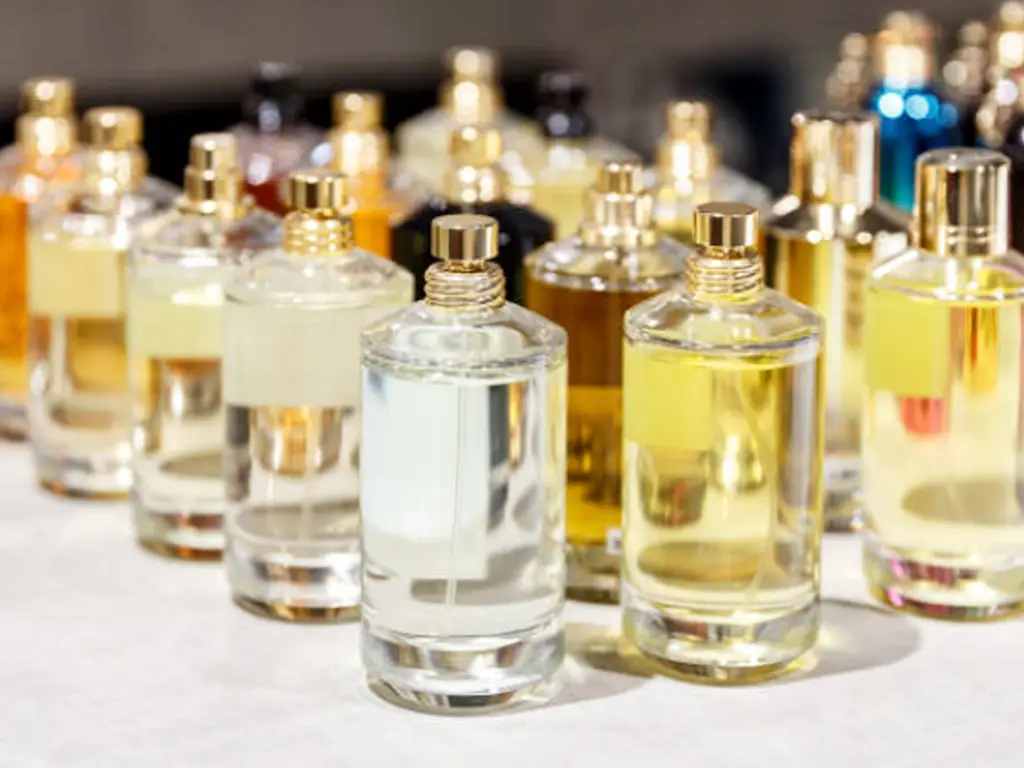
From Sample to Signature: Strategic Sizing for Every Lifestyle
The selection of the size is a strategic plan. In order to find your “Perfect Match,” it is worth thinking about the following archetypes:
- The Explorer (1.5ml – 10ml): This one is perfect when one wants variety. An 10ml travel spray will do the trick on a 14-day holiday or when trying a perfume in different weather situations without having to invest in a full sized bottle.
- The Collector (30ml): When you have over 20 bottles in your fragrance wardrobe. Smaller sizes of 30ml have the advantage of being in an eclectic collection without the agony of watching expensive liquid oxidise away to waste in a few years.
- The Gift-Giver (50ml): The 50ml is the world gift-giving golden mean. It is substantial enough in its material expression to be felt as such, and at the same time is not imposing a lifetime commitment on the recipient. It takes up the Golden Ratio of a visual appeal on a vanity.
- Signature Wearer (100ml – 150ml): To the person who discovered his/her olfactory mate. In case you are spraying the same scent every morning, the 100ml bottle is the most economical in terms of investment and you will not run out of it in the middle of the season.
The Refillable Revolution: Engineering for a Sustainable Future
Although such a modest choice of 30ml or 100ml bottle is a personal utility, the fragrance industry, in general, is experiencing a colossal technological change to the circular lifecycle. A quality-speed conflict has been the perennial obstacle to switching to refillable models in many luxury brands. The main issue is the content: post-consumer recycled (PCR) glass has a bad reputation when it comes to impurities of iron oxide, which give it a dusky, greenish hue, which does not fit the high-transparency glass standard of the boutique shelves. Moreover, re-engineering a refillable neck which forms a vacuum seal hundreds of times is a high precision exercise that historically requires months of trial and error to the development cycle that is usually the reason brands miss especially vital market windows.
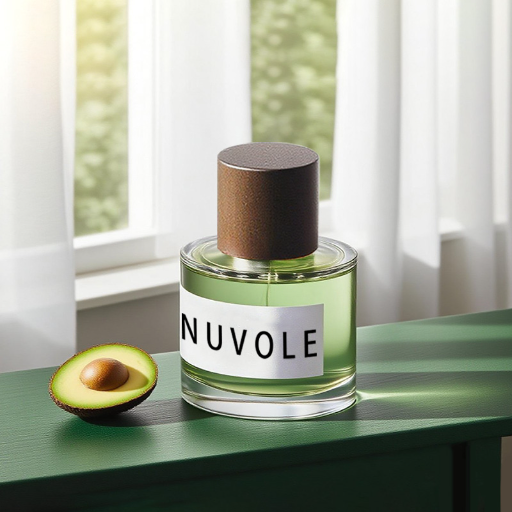
In order to address these industrial challenges, the term green marketing should be replaced by the term agile material science. Nuvole have used high-purification melting processes to fill this gap, and achieved a 70% content of recycled glass and 100% luxury transparency. This means that this strategy can enable a brand to save on its carbon footprint by 30% without aesthetic dilution that is normally involved in green packaging. To remove the time-to-market obstacle, a 48 hour 3D printing service of physical prototypes, we allow brands to test the mechanical fit and hand-feel of a refillable structure in days instead of months.
When these engineering improvements are combined with a 98% on-time delivery rate, the sustainability of the perfume bottle sizes transitions into a potential experiment to a stable functioning benchmark. This high-quality engineered strategy turns the bottle into a high-quality, high-strength brand that will last a lifetime and is functionally reliable as eco-friendly. This means the industry can eventually produce a model of glass that is Circular Beauty by keeping the glass clean and the seal sealed over years of refill needs to satisfy the demanding criteria of the luxury segment worldwide.
Conclusion: Sizing as a Strategic Brand Asset
Finally, the art of the sizes of perfume bottles is a complex meeting point of industrial engineering, consumer psychology, and preservation of chemicals. To the consumer, the choice of a volume is a personal lifestyle that is accorded to a physical object. A strategic move to place a fragrance in a vessel that is as environmentally-conscious as it is technically sophisticated is a strategic move on behalf of the brand. A bottle is not a container anymore, it is a strategic resource that characterizes the long-term value of the brand.
The most winning fragrances of 2026 and beyond would be the ones that give more consideration to the duration and accuracy, which would seamlessly arrange into the circular economy. With the industry shifting toward a more durable and refillable systems, technical background of the bottle is the key. Both the brand that is releasing a 10ml travel spray and the brand that is releasing a 100ml signature piece, the quality and density of the glass, as well as the exactness of its design, is as important to the success of the product as the contents it is covering. This is the high performance packaging promise that guarantees the shopper the vision of the perfumer all the way to the final spray in a competitive global market.
Frequently Asked Questions about Perfume Bottle Sizes
Q1: Does a larger bottle mean the perfume stays fresh longer?
In fact, quite on the contrary. The bigger the bottle is, the greater the volume of its “headspace” or air trapped in the bottle. The major factor causing fragrance degradation is oxygen. In case you do not plan on using a fragrance every day, a smaller bottle (30ml or 50ml) will probably help the smell to stay fresher longer since the proportions of the liquid and the oxygen are more favorable.
Q2: Why do some 50ml bottles look much larger than others?
This has been brought about by Glass architecture. In a bid to make it appear better, most luxury brands apply thick sidewalls or heavy weighted bottom in order to increase the physical size of the bottle. This also has a functional role, in addition to the aesthetic this causes the glass to have a greater thermal inertia, acting as a buffer against sudden temperature fluctuations, preventing the fragrance itself. The glass is effectively a kind of magnifying prism, so that the 50ml of liquid looks heavier, and offer a high-end feel.
Q3: What is the best bottle size for an expensive Eau de Parfum (EDP)?
The scents (EDP/Extrait) that are of high concentration need less number of sprays to be used; therefore, a 100ml bottle will take a long time to deplete. This increased exposure to air and thus makes oxidation a major danger with time. The 50ml will mean you consume the fragrance when the oils are still at their optimum potency and therefore it is the most convenient and cost effective in terms of luxury concentrations.