A decanter is far more than a glittering centerpiece gracing the tables of fine dining establishments; it is a highly calibrated instrument of fluid dynamics and chemical oxidation. For centuries, this vessel has served as a critical “flavor amplifier,” manipulating how oxygen interacts with volatile compounds and separating aged sediment from precious liquids. In this comprehensive guide, we will bypass the superficial aesthetics and dive straight into the structural physics, the critical differences between wine and spirits vessels, the absolute necessity of lead-free compliance, and the commercial-grade maintenance secrets that dictate a decanter’s true lifecycle.
Unveiling the Decanter: Core Definitions and Form Factors
To understand how to utilize these vessels properly, we must first dismantle the misconception that all glass receptacles serve the same purpose. The architecture of a decanter dictates its function entirely.
What Exactly is a Decanter? Origins and Primary Functions
Historically, tracing back to the Roman era, early decanters were utilized out of sheer necessity to mask the harsh impurities and unfiltered debris resulting from primitive winemaking techniques. However, the modern decanter has evolved from a vessel of concealment into an instrument of active intervention. It serves two uncompromising core mandates: providing the liquid with the necessary spatial geometry to “breathe” (Aeration) and trapping the accumulated debris of time (Sediment Separation). Think of a decanter as a liquid time machine—it has the power to forcefully accelerate the maturation of a young, tightly-wound vintage, while simultaneously stripping away the burdensome, bitter sediment from an aged masterpiece.
Carafe vs Decanter: The Crucial Distinctions
In the bustling environment of HoReCa (Hotel, Restaurant, Café) procurement, distinguishing between a carafe and a decanter is a fundamental operational requirement. The underlying difference lies entirely in their structural objectives. A carafe is engineered for Volume Efficiency. It typically features an upright, cylindrical design intended to maximize table space while facilitating the easy pouring of water, juices, or simple house wines. It rarely utilizes a stopper. Conversely, a decanter is meticulously designed around the Surface-to-Volume Ratio. You might confidently serve iced water in a straight-edged carafe, but pouring a complex Bordeaux into a vessel lacking a sweeping, wide belly would stifle its potential, preventing the necessary oxygen exchange required to unlock its aromatic profile.
Beyond the Basics: Wine, Whiskey, Cognac, and Tequila Decanters
The structural divergence among decanters tailored for specific spirits is governed by the laws of evaporation and oxidation. The vessel must respect the liquid it holds.
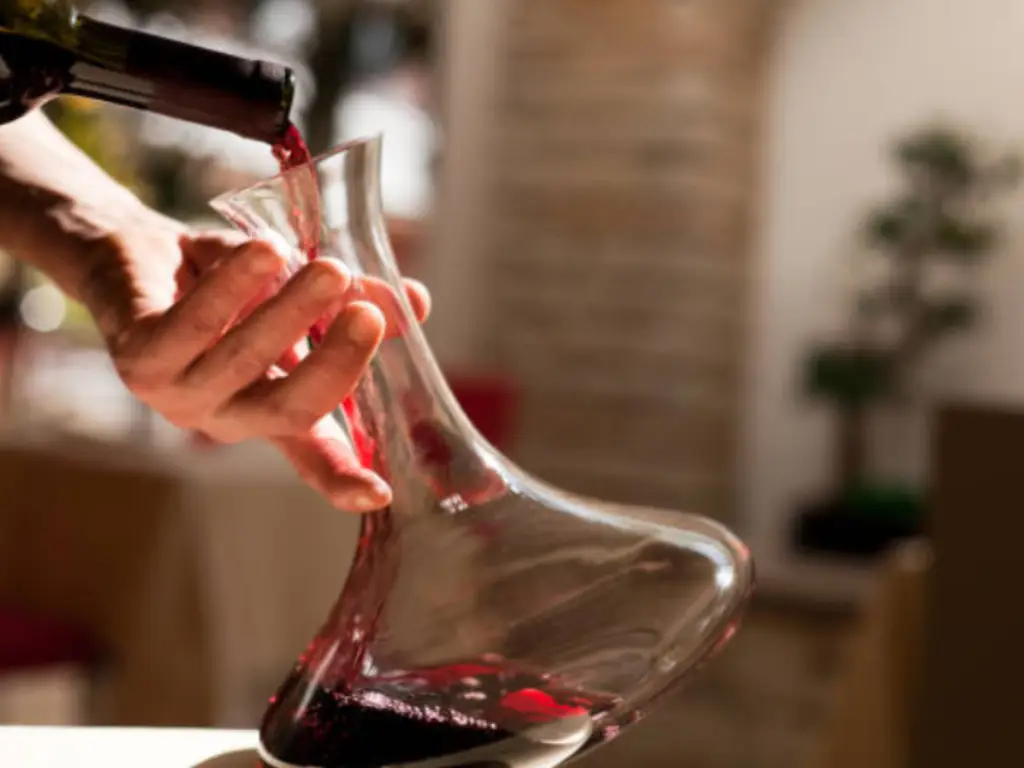
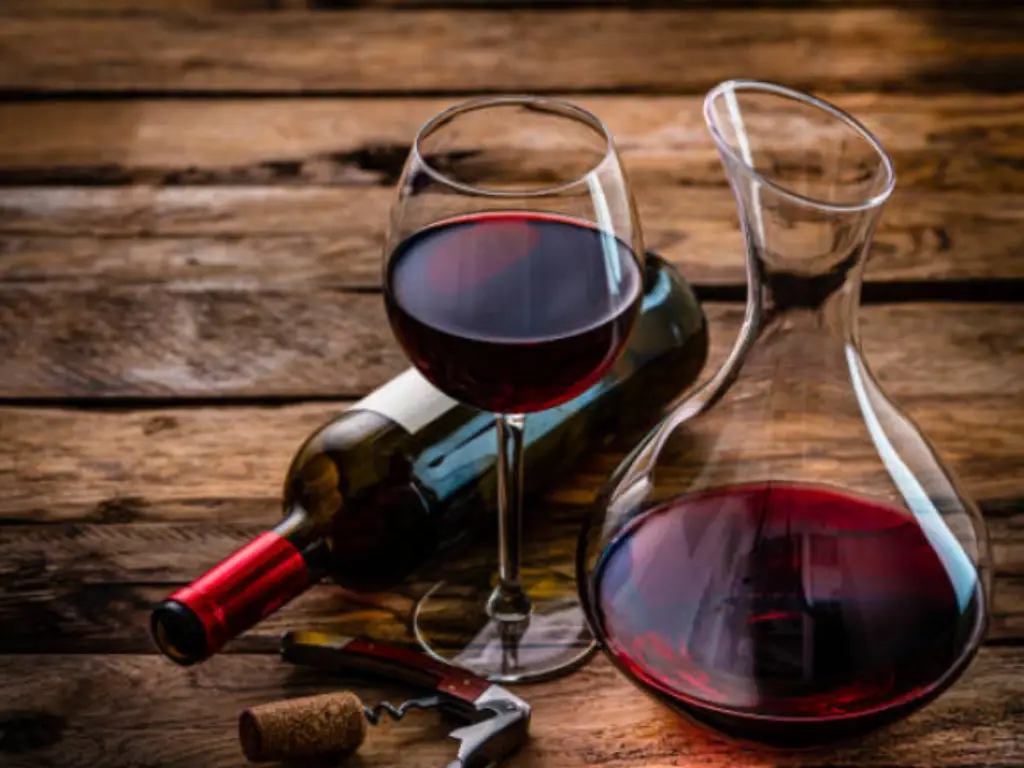
- Wine Decanters (The Breathers): Characterized by a radically wide base (often referred to as a “ship’s decanter” or swan neck). The goal is maximum oxygen exposure. They operate without stoppers during the decanting process.
- Whiskey & Tequila Decanters (The Vaults): Built with an entirely opposing philosophy. High-proof spirits like Single Malt Scotch or Tequila Añejo do not benefit from extreme oxidation; instead, they are vulnerable to the evaporation of ethanol. Therefore, these decanters are generally square, heavy-bottomed, and absolutely demand an airtight glass stopper to maintain the spirit’s structural integrity.
- Cognac Decanters (The Warmers): Often forged into elegant teardrop or bell shapes. This specific geometry is designed not just for visual luxury, but to perfectly contour to the human hand, allowing the gentle transfer of body heat to the liquid, thereby releasing the brandy’s volatile aromatic esters.
The Science of Decanting: Aeration and Sediment Separation
The notion that decanting simply “makes alcohol taste better” is a severe underestimation. The transformation is driven by quantifiable physics and chemistry, fundamentally altering the molecular structure of the beverage.
The Physics of Aeration: Oxygenation and Tannin Softening
When a dense, full-bodied red wine is poured into a wide-base decanter, a violent yet necessary chemical reaction commences. This is the process of Tannin Oxidation. In young wines, tannin molecules form tight, long-chain polymers that bind proteins in your saliva, creating an astringent, mouth-drying sensation. The introduction of ambient oxygen acts as a disruptive wedge, breaking these tight molecular chains apart. Simultaneously, the increased surface area accelerates the evaporation of volatile compounds—specifically harsh sulfur dioxide (which causes a struck-match odor) and excessive ethanol vapors. Metaphorically, aeration is the act of untying a tightly pulled knot, allowing the dormant fruit and floral notes to finally stretch out and dominate the palate.
Sediment Isolation: Managing Aged and Unfiltered Wines
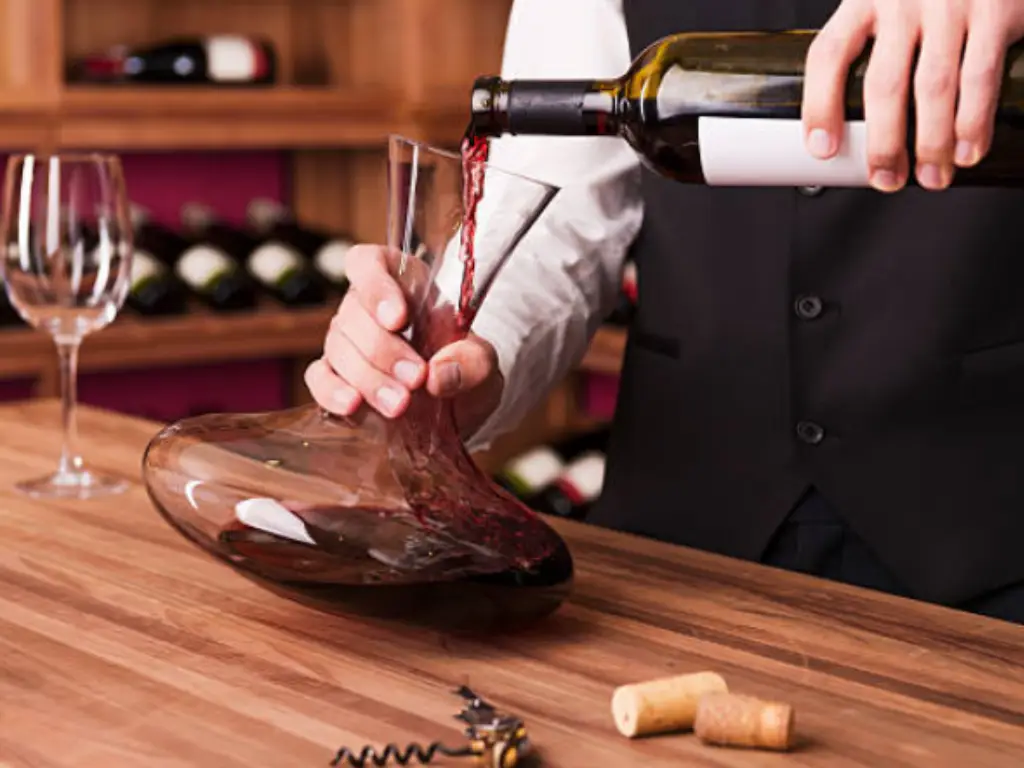
As high-quality wines age gracefully over a decade or more, a natural precipitation occurs. The color pigments (anthocyanins) and tannins begin to bind together, falling out of suspension to form a dark, sludgy deposit at the bottom of the bottle. While entirely non-toxic, consuming these polymerized tannins introduces a harsh, sandy texture and profound bitterness that can ruin a premium tasting experience. The physical act of decanting an aged wine involves utilizing a focused light source (traditionally a candle, modernly a smartphone flashlight) placed beneath the neck of the bottle during a slow pour. The sommelier watches carefully, ceasing the pour the exact millisecond the dark, crystalline sediment approaches the bottleneck, thereby leaving the sludge behind and extracting only the clarified brilliance of the wine.
Master Execution: Precision Pouring and Optimal Timing
Applying a universal timeframe to decanting is a critical error. Over-oxidizing a fragile vintage can lead to the rapid destruction of its flavor—a phenomenon known as oxidative collapse.
Require minimal intervention. 20 to 30 minutes is sufficient to blow off initial reduction without sacrificing their delicate floral aromas.
These robust wines are heavily fortified with tannins. They demand rigorous aeration ranging from 1 to 2 hours (or even double decanting) to soften the palate.
Exercise extreme caution. The primary goal here is solely sediment separation, not aeration. Decant gently and serve immediately within 5 to 10 minutes. Excessive oxygen exposure will flatline the delicate fruit notes almost instantly.
Material Deep Dive: Engineering the Perfect Decanter
The aesthetic allure of a decanter is utterly meaningless if the material composition poses a health hazard or fails under the rigorous demands of commercial hospitality usage.
Lead Crystal vs Lead-Free Alternatives: Safety and Compliance
For centuries, the ultimate hallmark of luxury was “Lead Crystal”—glass formulated with up to 24% lead oxide to dramatically increase weight, manipulate the refractive index for a brilliant sparkle, and soften the glass for intricate cutting. However, modern chemistry has exposed a severe, hidden vulnerability. When acidic liquids like wine, or high-proof alcohols like whiskey, are stored in traditional lead crystal for prolonged periods, a dangerous process known as lead leaching occurs.
🚨 Industry Compliance Warning: According to stringent international standards (such as ISO 7086 regarding the release of lead and cadmium from glass hollowware), prolonged storage of spirits in leaded vessels can cause heavy metal concentrations to exceed safe consumption limits exponentially. For any B2B buyer, HoReCa operator, or OEM brand, sourcing traditional lead crystal for spirit storage is an unacceptable liability.
The Manufacturer’s Edge: How Top Brands Overcome Material Limitations
When HoReCa buyers or OEM brands source glassware, the gap between aesthetic appeal and commercial durability is defined strictly by manufacturing prowess. Industry-leading manufacturers like Nuvole Glass bridge this exact gap by mastering three critical engineering vectors simultaneously: utilizing advanced Barium and Zinc oxide formulations melted at rigorously controlled temperatures to ensure FDA/LFGB-level safety while maintaining the high refractive index of traditional crystal, employing an extended and highly-calibrated annealing process that systematically releases internal glass tension to drastically lower the Total Cost of Ownership by preventing dishwasher thermal shock breakage, and combining high-precision 3D mold-making with decades of master mouth-blowing expertise to guarantee absolute uniformity in wall thickness even across the most complex, wide-base geometric designs.
| Material Type | Refractive Brilliance | Thermal Shock Resilience | Commercial Safety Profile |
|---|---|---|---|
| Soda-Lime Glass | Low (Dull appearance) | Poor (High breakage rate) | Safe, but lacks premium feel |
| Borosilicate Glass | Moderate | Excellent (Lab-grade) | Safe, but often feels too light |
| Traditional Lead Crystal | Exceptional | Moderate | High Risk (Lead leaching hazard) |
| Lead-Free Crystal (Barium/Zinc) | Exceptional | High (With proper annealing) | 100% FDA/LFGB Compliant |
Commercial Lifecycle: Maintenance and Complex Cleaning
The true cost of a decanter isn’t its purchase price; it is the labor required to maintain its pristine condition and the replacement cost when poorly manufactured glass shatters.
Conquering Complex Shapes: Advanced Cleaning Techniques
The breathtaking geometry of a swan-neck or U-shaped decanter quickly becomes an operational nightmare when red wine stains (tannin residue) dry at the bottom of the curve. The cardinal rule of decanter maintenance is absolute prohibition of standard dish soap, which leaves behind a microscopic, scented film that will irrevocably taint the next vintage poured into the vessel. Instead, professional maintenance relies on physical abrasion and mild acidic reactions. Operators must utilize stainless steel cleaning beads. Swirling these beads with a dash of warm water acts like a micro-sauna massage, mechanically scrubbing the glass walls without scratching them. For stubborn hard water stains, a soaking solution of warm water and white vinegar is the standard protocol to dissolve mineral buildup.
Dishwasher Compatibility and Daily B2B Viability
In a high-volume restaurant environment, hand-washing every vessel is often impossible. This is where the structural integrity of the glass is tested to its absolute limits. Commercial dishwashers subject glassware to sudden, brutal temperature spikes exceeding 80°C, followed by rapid cooling. If a decanter has not undergone a rigorous annealing process—a controlled cooling cycle at the factory that releases microscopic internal stresses—it will succumb to Thermal Shock and shatter violently inside the machine. Purchasing vessels engineered with stress-relieved, lead-free crystal is the only viable method to keep replacement overheads low.
Conclusion
Ultimately, the utilization of a decanter is the highest form of respect paid to the winemaker’s craft and the passage of time. Whether you are softening the aggressive tannins of a young Cabernet or carefully isolating the sediment of an ancient vintage, the vessel is your primary tool for flavor extraction. However, as this guide has illuminated, true sophistication goes beyond geometry. Prioritizing strict lead-free compliance, demanding robust thermal resilience through superior annealing, and understanding the nuances of proper maintenance are the non-negotiable pillars of selecting a decanter that performs as flawlessly as it looks.
Looking to source lead-free, commercially resilient, and brilliantly crafted decanters that eliminate breakage anxiety and elevate the pouring experience? Partner with a manufacturer that masters the impossible triangle of safety, durability, and aesthetics.
Consult Our Experts Today