Perfume oils and attars have fundamentally disrupted the global fragrance landscape, shifting consumer preferences away from massive, alcohol-heavy sprays toward highly concentrated, intimate scents. However, this shift introduces a complex challenge for fragrance brands and B2B packaging buyers: navigating the highly specialized world of micro-sizing. In this comprehensive guide, we will decode the commercial science behind perfume oil sizes, demystify the international Tola conversion system, and explore the rigorous engineering required to prevent catastrophic leakages.
The Core Science Behind Perfume Oil Micro-Sizes
To fully grasp why perfume oils are packaged in what appear to be aggressively small volumes, one must first break the cognitive bias created by the mainstream commercial fragrance industry. For decades, consumers have been conditioned to believe that a “standard” perfume should be purchased in 30ml, 50ml, or 100ml increments. However, this volume is largely an illusion created by the formulation itself.
Traditional Eau de Parfum (EDP) or Eau de Toilette (EDT) formulations rely heavily on volatile solvents—primarily ethanol. These solvents typically constitute 70% to 85% of the entire bottle’s volume. The alcohol serves as a rapid delivery mechanism, projecting the scent molecules into the air quickly before evaporating. Consequently, a user needs to spray a significant amount of liquid to achieve the desired olfactory impact.
In stark contrast, high-quality perfume oils and traditional Middle Eastern attars are entirely alcohol-free. They consist of pure aromatic compounds (often at concentrations exceeding 20% to 40%) suspended in highly stable, skin-nourishing carrier oils. Because there is no rapid evaporation caused by alcohol, the longevity of the fragrance relies on the natural warmth of the user’s skin to slowly diffuse the scent over 8 to 12 hours.
This fundamental difference in fluid dynamics and volatility dictates the packaging size. If you think of a standard EDP as a large iced Americano designed to be consumed in high volume, a premium perfume oil is a double shot of Espresso—incredibly potent, highly concentrated, and meant to be savored drop by drop. A microscopic application of pure Oud or Rose oil on the pulse points can easily outlast five heavy sprays of an alcohol-based equivalent. Therefore, micro-sizes ranging from 1.5ml to 15ml are the genuine industry standard engineered for the specific physical properties of pure essential oil blends.
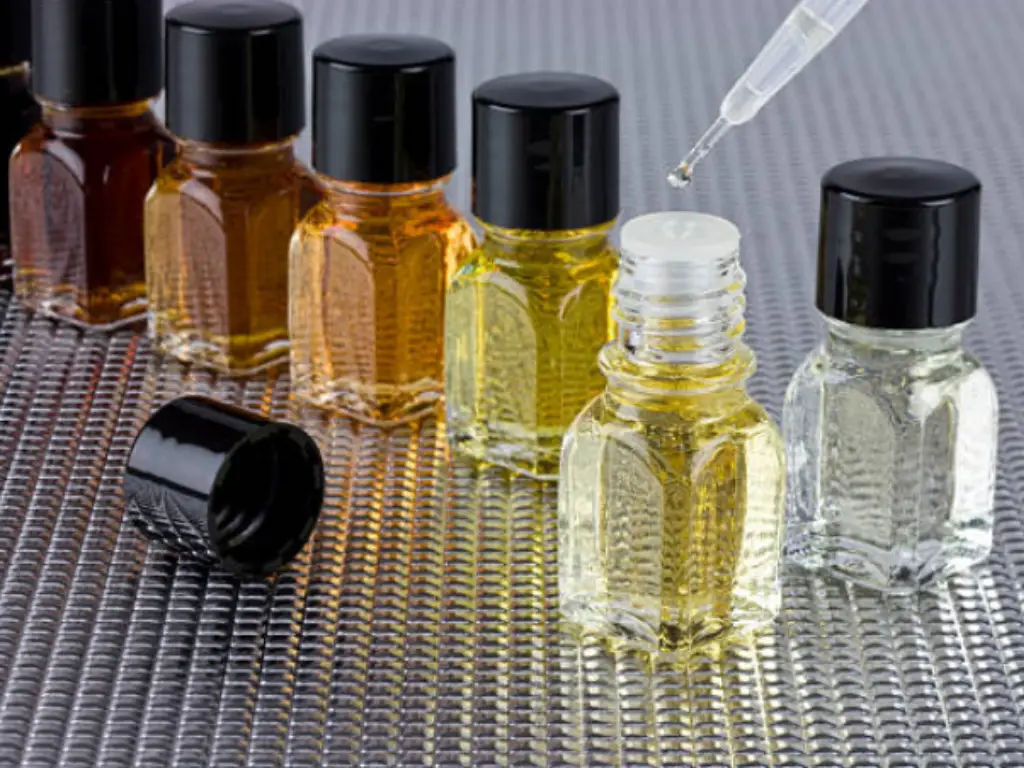
The Ultimate Perfume Oil Sizing and Lifespan Matrix
For B2B buyers sourcing packaging across international borders, the most significant hurdle is aligning Western metric measurements (milliliters and ounces) with traditional Middle Eastern sizing conventions. Understanding these conversions is not just about choosing a bottle; it is about accurately calculating your product’s lifespan, establishing a predictable customer repurchase cycle, and optimizing your profit margins.
Demystifying the Tola System for Global Buyers
If you are sourcing, blending, or selling premium attars, you will inevitably encounter the term “Tola.” Ignorance of this measurement system can lead to severe miscalculations in your supply chain and pricing models. The Tola originally dates back to the weighing of gold and precious commodities. As highly concentrated aromatic oils were historically valued akin to liquid gold, the Tola naturally transitioned into the fragrance industry’s standard unit of trade.
To navigate the international market seamlessly, you must understand the complete Tola hierarchy:
- 1/8 Tola (Approx. 1.5ml): Reserved almost exclusively for sampling programs, discovery sets, or extraordinarily rare, artisan-distilled oils.
- 1/4 Tola (Approx. 3ml): The undisputed champion of the retail attar entry-level market, balancing affordability with longevity.
- 1/2 Tola (Approx. 6ml): The ideal middle ground and a favorite among daily users for easy transport.
- 1 Tola (Approx. 12ml): The global standard for serious collectors and high-volume retail.
- 2 Tola (24ml) to 3 Tola (36ml): Reserved for VIP custom blends, bulk storage, or bespoke signature scents.
The 5-Second Decision Matrix for Perfume Oils
To assist brand owners and procurement managers in mapping out their product lines instantly, we have engineered the ultimate decision matrix. This table eliminates cross-cultural sizing confusion by anchoring volumes to exact millimeter heights, ensuring absolute physical perception across global markets.
| Size (ML / Tola / Oz) | Visual Scale & Height (mm) | Lifespan (Est. Swipes) | Target Audience & SKU Role | Ideal Applicator |
|---|---|---|---|---|
| 1.5ml (1/8 Tola) | Standard Capsule (Height: ~25mm-30mm) |
~30 Swipes | Discovery Sets, Samples | Glass Dip Stick |
| 3ml (1/4 Tola) | AA Battery (Height: ~45mm-50mm) |
~60 Swipes | Entry-Level Retail, Blind Buys | Glass Dip Stick |
| 5ml (~0.17 oz) | Thumb Drive (Height: ~55mm-60mm) |
~100 Swipes | Travel Size, Sub Boxes | Rollerball |
| 6ml (1/2 Tola) | Lip Balm Tube (Height: ~65mm-70mm) |
~120 Swipes | Daily Wear, Affordable Luxury | Rollerball |
| 10ml (~1/3 oz) | Standard Lipstick (Height: ~80mm-85mm) |
~200 Swipes | Hero Product, Core Profit | Rollerball |
| 12ml (1 Tola) | Small Cigar (Height: ~90mm-95mm) |
~240 Swipes | Premium Retail, Collector’s | Rollerball or Dropper |
| 15ml+ (1/2 oz+) | Shot Glass / Marker (Height: ~100mm+) |
300+ Drops | Master Blenders, VIP Home | Precision Glass Dropper |
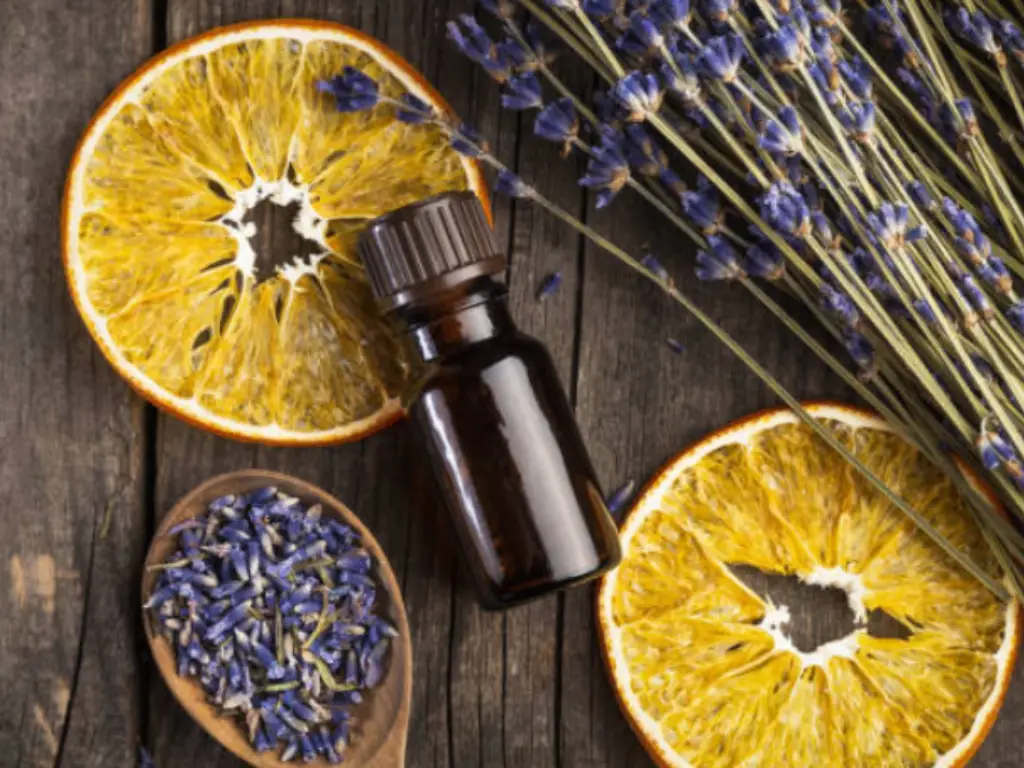
Engineering Applicators for High-Viscosity Oils (From 1.5ml to 15ml+)
Selecting the correct capacity is only half the battle. Pouring highly concentrated, volatile organic compounds into a generic container is a guaranteed recipe for disastrous leakages. The applicator must be meticulously matched to both the volume of the bottle and the specific viscosity of the oil.
Glass Dip Sticks (Wands): The Traditional Choice for 1.5ml – 3ml Attars
For ultra-premium, low-volume attars, the glass dip stick remains the gold standard. This choice is deeply rooted in the cultural ritual of Middle Eastern perfumery, allowing the user to elegantly dab a precise drop without over-applying.
From an engineering standpoint, the length of the glass wand must be calibrated to maintain a strict 1mm to 2mm tolerance gap from the interior base of the glass bottle. If the wand touches the bottom directly, the varying coefficients of thermal expansion during shipping can create massive downward pressure, literally shattering the bottom of the bottle.
Rollerball Bottles: The Modern Standard for 5ml – 10ml
As volumes scale to the 5ml and 10ml commercial sweet spot, rollerball applicators are the undisputed modern standard. However, fluid dynamics dictates that not all rollerballs are created equal. Many mistakenly assume a glass rollerball is always superior. In reality, while glass is chemically inert, it possesses an incredibly low friction coefficient. When paired with high-viscosity, heavy resinous attars, a smooth glass ball will frequently “seize” or stick within its housing.
Conversely, high-grade Stainless Steel rollerballs feature micro-abrasions and higher friction, making them the absolute best choice for gripping and seamlessly dispensing dense oils. Plastic rollerballs should be entirely avoided as they are cheap and prone to immediate jamming.
Glass Droppers: The Precision Choice for 15ml+ Blends
For 15ml or 30ml blending volumes, precision glass droppers are necessary. The engineering pitfall here lies in the rubber teat (bulb). Natural rubber or cheap latex will liquefy and disintegrate when exposed to pure essential oil vapors. A professional setup demands chemically resistant Nitrile rubber (NBR) or premium Silicone bulbs, paired with a meticulously sized glass pipette aperture.

Formulating Your Perfume Oil SKU Strategy & Supply Chain Economics
Beyond physics and fluid dynamics, the sizing matrix serves as the foundation for your brand’s overarching business strategy. Procurement is about engineering a highly profitable SKU architecture. Savvy fragrance entrepreneurs deploy the accessible 3ml size as a low-risk “discovery set” to lower customer acquisition costs, while positioning the 10ml stainless steel rollerball as the high-margin “hero product” driving predictable revenue.
However, the greatest threat to a brand’s survival is the temptation of opening private custom molds without understanding the brutal mathematics of manufacturing. Let us look at the actual numbers: A bespoke custom glass mold typically requires a tooling fee ranging from $3,000 to $8,000. Furthermore, factories will enforce Minimum Order Quantities (MOQs) leaping from a standard 10,000 units up to 50,000 units to justify running the machine. Add in 6 to 8 weeks for prototyping, followed by 30 days of mandatory vacuum leak testing. For a nascent brand, this massive cash flow burn and delay can be a fatal mistake before a single drop of oil is sold.
When planning your product matrix from 3ml samples to 10ml hero SKUs, supply chain reliability is everything. Leakage returns and light degradation will instantly decimate your profit margins. To help you eliminate these risks entirely, Nuvole Glass employs uncompromising engineering standards. Firstly, we completely reject LDPE, strictly utilizing high-crystallinity PP and premium POM for our rollerball and dropper components, backed by 100% vacuum testing and a 3-stage surface inspection to physically guarantee zero leaks. Secondly, to protect delicate formulations from photo-degradation while maintaining an ultra-premium feel, we leverage 6 automated lines to offer flawless Super Flint Glass, alongside deep amber and custom anti-UV coatings. Most crucially for your cash flow, we provide direct access to over 500 validated, in-stock micro-capacity molds. This allows you to completely bypass the $5,000+ tooling fees and months of waiting, enabling you to launch a world-class, leak-proof product line immediately.

Conclusion
Mastering perfume oil packaging is an intricate dance of exact volume conversions, fluid mechanics, and material science. Whether you are launching a bespoke 3ml attar collection or scaling a 10ml core product line, the harmony between the physical container, an advanced anti-corrosion applicator, and strict UV light protection is what separates amateur attempts from enduring luxury legacies. Equip your brand with technically flawless packaging, and build a product experience that functions as beautifully as it smells.
Ready to Elevate Your Packaging?
Stop risking your premium oils with subpar, leaky containers. Secure your brand’s reputation with our globally certified, luxury-grade glass solutions.
Request Your Quote