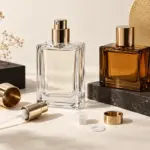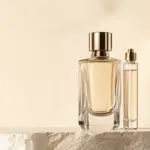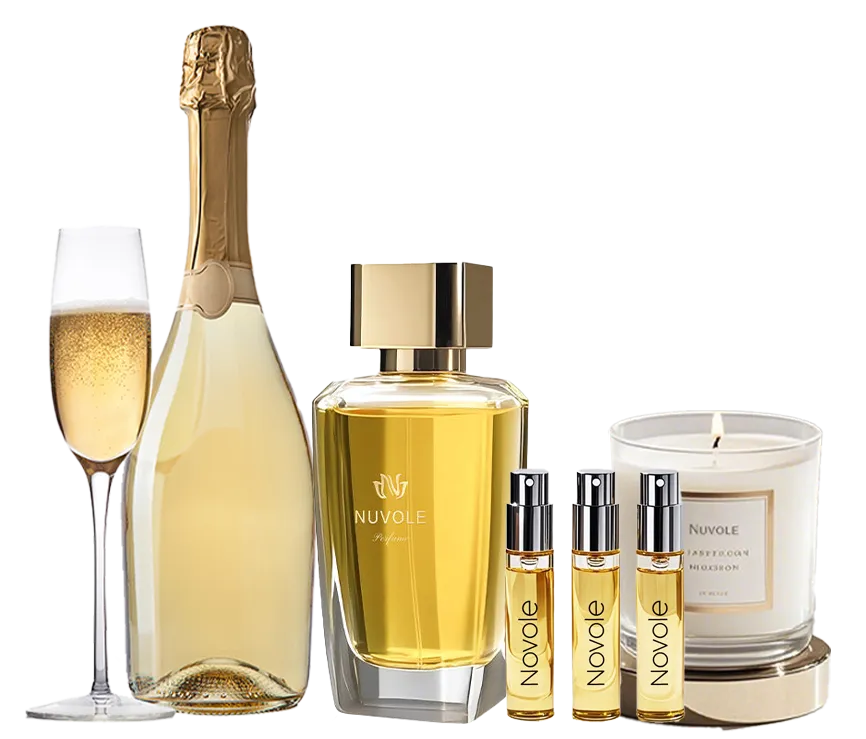
The fragrance industry is an uncompromising arena where visual and tactile cues dictate pricing power long before the consumer experiences the scent. Stop evaluating your perfume packaging based on aesthetics alone. Discover the sensory engineering, hidden quality metrics, and the top global manufacturers shaping the future of high-end fragrance supply chains.
Beyond the Visuals: The “Sensory Engineering” of Luxury Fragrance Packaging
In the high-end fragrance sector, a harsh reality exists: consumers price your brand through visual and tactile feedback long before they ever smell the juice. A perfume bottle is never just a vessel; it is the physical incarnation of the scent itself. For procurement managers and brand founders, relying solely on 3D renderings and external shapes is a rookie mistake that can cost millions in brand equity.
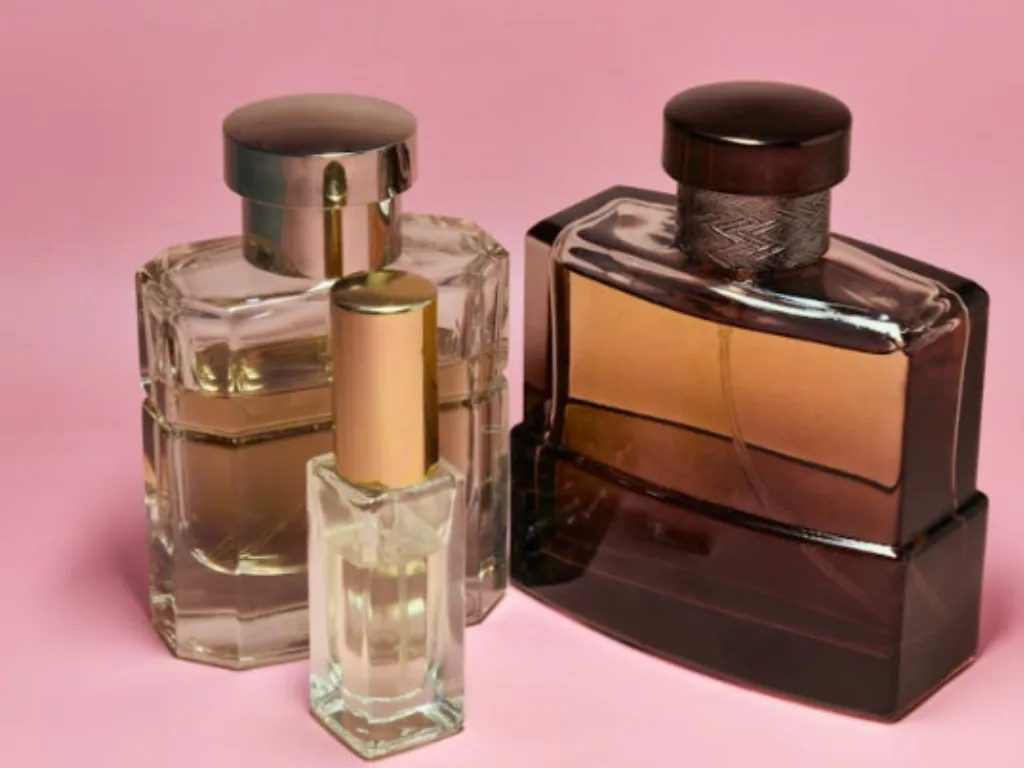
True luxury packaging is an exercise in Sensory Engineering. It is about the optical purity—the refractive index of the glass that makes the liquid gleam like fine jewelry under department store lighting. This brilliance is achieved only through superior high-flint or crystalline glass formulations that completely eradicate the faint greenish tint found in mass-market containers. It is about the tactile feedback—the heavy, perfectly distributed glass base (known in the industry as glass distribution) that grounds the product in the palm of the hand, signaling uncompromising quality and substantial value.
When a consumer picks up a luxury fragrance, the weight distribution—often concentrated in a thick glass base, referred to as the ‘punt’ or bottom weight—instantly communicates exclusivity. If the glass feels hollow or unbalanced, the illusion of luxury is shattered before the cap is even removed. This profound tactile weight must be meticulously achieved without compromising the structural integrity of the side walls during the highly-calibrated molding process.
Furthermore, it encompasses mechanical acoustics—the satisfying, resonant ‘click’ of a perfectly mated zinc alloy closure snapping onto a precisely engineered collar. When you source glass, you aren’t just buying a container. You are buying a defense line against catastrophic leaks, rapid evaporation, and ultimate brand devaluation. High-net-worth consumers subconsciously detect microscopic flaws: a wavy inner wall, a slight misalignment of the pump, or a cap that feels too light. Overcoming these challenges requires partnering with a manufacturer who treats glassmaking as an exact science rather than a mere industrial process.
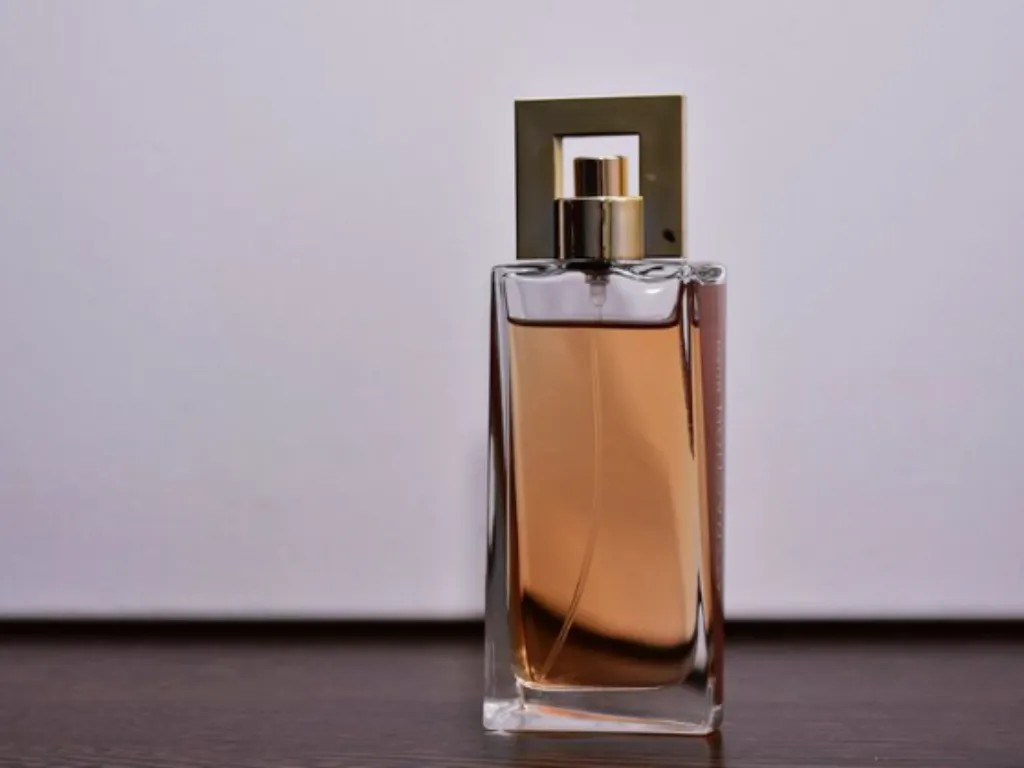
4 Hidden Quality Metrics to Vet a Top-Tier Glass Supplier (Beyond Unit Price)
Before being blinded by glossy product catalogs, your sourcing decision must be anchored in hardcore industrial parameters. 🚨 Warning: A $0.50 saving per unit means absolutely nothing if a 0.2mm mold deviation causes a 30% leak rate in your overseas warehouse, destroying your expensive fragrance oils. The path to a resilient supply chain requires strict auditing of the following four hidden metrics.
Step 1: Neck Finish Tolerance (FEA 15/20 standard)
The standard FEA 15 or 20 neck finish must be machined with sub-millimeter precision. The relationship between the glass neck, the crimpless or crimp-on pump, and the sealing gasket is arguably the most critical junction in fragrance packaging. Even microscopic deviations in the neck’s outer diameter or the flatness of the sealing lip will prevent the pump from seating perfectly. This leads directly to catastrophic leakage and rapid alcohol evaporation during air transit due to pressure changes. Elite suppliers utilize automated camera inspection systems to measure every single neck finish, ensuring 100% compliance before the glass ever reaches your filling line.
In addition, the threading mechanism for screw-on pumps must be rigorously evaluated with precise torque-testing equipment. If the thread tolerance is too loose, the pump can unspool during transit vibrations; if it is machined too tightly, it risks creating micro-fractures in the glass neck, ultimately leading to delayed, dangerous breakage after the consumer purchases the product.
Step 2: Annealing & Thermal Shock Resilience
Glass formulation is only half the battle; the cooling process dictates the structural integrity. Glass must pass through strict, highly elongated temperature-controlled annealing lehrs to eliminate internal molecular stress. Suppliers must routinely pass polariscopic inspections to ensure the bottle will not shatter under extreme temperature fluctuations during global shipping (from a freezing cargo hold to a sweltering tarmac). If a manufacturer cannot readily provide a thermal shock test report or demonstrates inconsistent annealing curves, your products are ticking time bombs that could result in dangerous breakages and massive retailer chargebacks.
Step 3: Decoration Adhesion Integrity
Will your beautiful hot-stamping, delicate silk-screening, or gradient frosting scratch off when tumbling around in a user’s luxury handbag alongside keys and cosmetics? Top-tier manufacturers strictly perform Cross-Hatch Adhesion Tests and extended ethanol immersion tests to guarantee that surface treatments bond at a molecular level with the glass substrate. A luxury brand simply cannot afford to have its logo peeling off after a month of consumer use, as this instantly degrades the perceived value from haute parfumerie to a drugstore commodity.
Step 4: Supply Chain Agility & Turnkey Assembly
The modern fragrance market demands unprecedented speed. Can the factory transition from a 3D drawing to a physical test mold, and finally to mass production without a paralyzing 6-month delay? Furthermore, do they offer turnkey solutions—providing the bottle, the precision-engineered collar, and the weighted overcap in one validated package? Multivendor sourcing (buying bottles from one factory and caps from another) is the leading cause of component mismatch and assembly-line nightmares. Agility in custom molding paired with comprehensive in-house compatibility testing is the ultimate stress test for a manufacturer’s true engineering capabilities.
Strategic Supplier Navigator: Find Your Match
Every brand has distinct operational bottlenecks. Select the profile that best matches your current strategic sourcing need to jump directly to the optimal manufacturing partner:
The 2026 Global Matrix: 7 Elite Fragrance Bottle Manufacturers
Finding the right partner is not about finding the “best” factory in a vacuum; it is about aligning your brand’s specific growth stage, cash flow requirements, and launch timeline with the manufacturer’s operational DNA. The following comprehensive breakdown provides an objective, capability-based matrix of the top 7 global players, highlighting both traditional European heritage powerhouses and highly agile manufacturing disruptors.
Verescence
As the undisputed giant serving luxury houses like Dior, Chanel, and Givenchy, Verescence dominates the ultra-high-end segment. Their technological moat lies deeply rooted in their pioneering PCR (Post-Consumer Recycled) glass, offering unparalleled optical clarity in sustainable packaging. For legacy brands demanding the absolute zenith of eco-friendly luxury without compromising on the heavy, premium feel of traditional high-flint glass, Verescence operates in a league of its own, boasting a global footprint that can flawlessly handle massive multinational rollouts and highly complex multi-part molds.
However, this prestige comes with inherent commercial barriers that must be meticulously planned for. Partnering with Verescence involves navigating extremely high Minimum Order Quantities (MOQs) and lengthy development schedules that can severely strain the cash flow and rapid launch timelines of independent or scaling brands. Their prime production slots are fiercely protected for their anchor luxury clients, making them the ultimate aspirational partner, but potentially an inflexible choice for newer companies requiring rapid market testing, iterative design changes, and highly agile custom molding turnarounds. (Visit Verescence)
Pochet du Courval
With nearly four centuries of unbroken history, Pochet du Courval represents the “old money” of glassmaking and the beating heart of French Haute Parfumerie. Their legendary SEVA glass technology achieves a refractive brilliance akin to pure crystal, making them the ultimate choice for bespoke, highly complex interior glass shapes. When a fragrance house desires to create a masterpiece where the internal glass distribution is just as sculptural and intentional as the exterior, Pochet’s craftsmen deliver results that quite literally bend light to elevate the brand’s perceived value to stratospheric levels, as seen in iconic flacons across the globe.
The challenge, naturally, is accessibility and capacity allocation. Pochet’s capacity is highly exclusive and predominantly prioritized for top-tier heritage brands that have partnered with them for decades. This creates a massive entry barrier for newcomers. The communication costs, stringent vetting processes, and premium unit pricing mean that engaging with Pochet is a monumental investment of both time and capital. It is the absolute pinnacle of the “halo effect,” strictly reserved for those with the immense capital and the patience to wait for unhurried French perfection. (Visit Pochet du Courval)
Heinz Glas
Bringing ruthless German engineering precision to the art of perfume packaging, Heinz Glas shines with its incredibly robust in-house decoration capabilities. From seamless gradient spraying to high-vacuum metallization and intricate laser cutting, they execute complex 3D renderings with zero-tolerance precision. Heinz Glas eliminates the severe risk of secondary processing failures by controlling the entire aesthetic journey under one roof, ensuring that the decorative adhesion passes the most rigorous chemical and physical abuse tests without the need to ship naked glass to third-party decorators.
While their quality control is legendary and their defect rates are astonishingly low, buyers must be prepared for the financial realities of European manufacturing. The overhead costs associated with German labor and energy result in premium unit prices. Additionally, their strictly standardized operational procedures mean that mid-project modifications or requests for hyper-agile prototyping can be met with resistance. They are a fortress of reliability, best suited for brands whose designs are completely locked in and heavily reliant on complex, multi-layered surface treatments. (Visit Heinz Glas)
Bormioli Luigi
As the undisputed masters of Italian aesthetics, Bormioli Luigi excels in physical structural innovation and avant-garde glass formulation. Their patented EcoLine technology is a game-changer for the modern industry, significantly reducing glass weight—thereby lowering the carbon footprint and international shipping costs—without sacrificing the mechanical strength or the luxurious visual weight of the bottle. Combined with their exclusive inside-lacquering techniques, they offer brands a unique canvas to express modern, sustainable luxury tailored to a new generation of eco-conscious consumers.
Despite their design brilliance, their core manufacturing rhythm is heavily tilted towards large-scale commercial runs and massive multinational contracts. This immense scale makes them a powerhouse for global volume, but it also renders them somewhat less responsive to the highly customized, multi-frequency, small-batch demands of niche fragrance houses. Brands seeking intimate, highly iterative custom mold developments might find the corporate machinery of Bormioli slightly too rigid for the rapid market maneuvers required by today’s independent perfumers. (Visit Bormioli Luigi)
Nuvole Glass
When independent or rapidly scaling brands cannot endure the grueling 6-month lead times and punishing MOQs of European heritage workshops, Nuvole Glass emerges as the definitive agile solution. Operating a sprawling 250,000 sqm modern manufacturing base, Nuvole specializes in ultra-high refractive Super Flint glass. They shatter the industry compromise between speed and luxury by executing 3D concept-to-physical-mockup turnarounds in just 3 to 7 days. This aggressive agility drastically reduces the trial-and-error costs for brands, allowing them to iterate and launch at an unprecedented pace without sacrificing optical purity.
Nuvole’s true competitive moat, however, is their uncompromising approach to sensory engineering and leak prevention. By enforcing automated FEA 15/20 neck tolerance monitoring and providing a strictly validated turnkey package—glass bottle, high-damping pump, and weighted zinc alloy cap—they eradicate the compatibility disasters caused by multi-vendor sourcing. With a verified perfume volatility rate kept strictly under 0.5%, Nuvole Glass provides an ironclad, high-ROI supply chain for brands that demand European-level quality combined with modern manufacturing agility. (Visit Nuvole Glass)
Vitro (Vitro Envases)
For North American fragrance conglomerates and high-volume commercial beauty brands, Vitro offers an unignorable nearshoring advantage. With massive production bases strategically located in Mexico, they completely bypass the logistical headaches, extreme transit times, and volatile tariff complexities associated with trans-Pacific shipping. Vitro provides highly stable, large-scale capacity and an extensive library of standard, ready-to-deploy molds, making them the backbone for brands that require rapid replenishment and immense inventory turnover across the Americas.
While their logistical dominance in the Americas is unmatched, their focus is primarily on industrial efficiency and staggering volume. When it comes to developing avant-garde, highly customized bespoke shapes or applying boutique-level, hyper-complex surface treatments, Vitro operates with a more conservative methodology compared to European ateliers or specialized high-end Asian manufacturers. They are the ultimate safe harbor for vast commercial runs, but perhaps not the primary choice for limited-edition, boundary-pushing niche designs requiring intense customization. (Visit Vitro)
Stoelzle Glass Group
Operating as a quiet but formidable giant in European packaging, the Stoelzle Glass Group offers a comprehensive, all-encompassing manufacturing ecosystem. Spread across multiple specialized European facilities, they deliver pure crystalline glass alongside leading-edge, eco-friendly decoration techniques, such as their highly innovative powder coating technology. This makes Stoelzle highly sought after by prestige brands looking to create visually striking, sustainable, and highly textured limited-edition fragrance flankers that stand out fiercely on retail shelves.
Because they offer such a complete A-to-Z service ecosystem, their products carry an immense luxurious tension and exceptional market presence. However, Stoelzle represents a classic large-tier European operation: their production schedules are densely packed months in advance. Engaging their services requires navigating challenging MOQ thresholds and accepting longer lead times, meaning new clients must come armed with well-funded, meticulously planned, and patient long-term procurement strategies to secure their renowned expertise. (Visit Stoelzle)

The “Glass-to-Juice” Chemistry: Preventing the Silent Killer of Indie Brands
While most procurement teams obsess over bottle shapes and external aesthetics, veteran quality assurance engineers know that a glass bottle is essentially a highly volatile chemical reaction chamber. The most devastating, hidden disaster in fragrance packaging is not a shattered bottle—it is 🚨 Chemical Incompatibility.
If you opt for a cheap inside color coating (Inside Lacquering) from an unverified supplier that hasn’t undergone rigorous thermal curing and extended chemical compatibility testing, the high concentration of ethanol (often 80% to 90%) in your fragrance will silently attack the finish. Within 3 to 6 months on the retail shelf, the alcohol will slowly dissolve the inner coating. This disaster not only visibly alters the color and olfactory profile of your expensive perfume, rendering the scent unrecognizable, but it can also introduce toxic, non-cosmetic elements into a product applied directly to human skin.
This is precisely why leading packaging engineers insist on comprehensive accelerated aging tests. By placing filled test vessels in specialized environmental testing chambers set to 45°C (113°F) with high humidity for 12 weeks, brands can effectively simulate one to two years of standard shelf life. If the inner glass coating or the pump’s internal rubber gasket material shows even microscopic signs of breakdown, swelling, or degradation, the entire material selection must be completely re-evaluated before any mass production begins.
The Hidden Cost of Incompatibility: A Real-World Diagnostic
Consider a production run of 20,000 units utilizing a substandard inner coating to save a mere $0.15 per bottle. The bottles pass initial visual inspection. However, after 90 days in a warm retail environment, the ethanol degrades the lacquer, causing a hazy, discolored suspension to float in the liquid. The result is a catastrophic 100% recall.
You do not merely lose the initial packaging investment. You lose the massive cost of the premium fragrance oils, the compounding labor, the reverse logistics, and most critically, the retailer’s irreplaceable trust. Top-tier manufacturers prevent this disaster by either mastering the exact baking temperature curves for inner coatings, providing comprehensive, multi-month Chemical Compatibility Testing protocols, or guiding brands toward inherently safer Mass-colored Glass alternatives where the pigment is melted directly into the raw glass batch, eliminating any risk of chemical shedding.
| Strategic Priority | Conventional Approach (High Risk) | Top-Tier Supplier Standard (Low Risk) |
|---|---|---|
| Leak Prevention & Tolerances | Random spot checks; visual human inspection of neck finishes. | 100% Automated Camera FEA Tolerance Monitoring on production line. |
| Bespoke Custom Development | 3-4 weeks waiting for rough acrylic mockups or imprecise renders. | 3-7 days for high-precision physical mockups mirroring final glass weight. |
| Component Compatibility | Multi-vendor sourcing (Buying bottles, caps, and pumps separately). | Turnkey solutions (Bottle + Pump + Cap validated together in-house). |
| Decoration Durability | Basic scratch tests with fingernails or standard tape. | Rigorous Cross-Hatch Adhesion & 30-day Ethanol Soaking immersion tests. |

Conclusion: Building a Resilient & Profitable Packaging Supply Chain
Winning in the fiercely competitive luxury fragrance market isn’t about finding the supplier with the lowest unit price on a B2B directory; it is about partnering with a manufacturer who guarantees the lowest hidden costs. Every micro-leak, every delayed launch due to tooling errors, and every dissolved coating fundamentally degrades your brand equity. Whether you require the century-old prestige of European heritage houses, the nearshoring volume of the Americas, or the aggressive agility and pristine quality of modern bespoke manufacturers, your choice directly dictates your brand’s future profitability and market perception.
Furthermore, as the global market increasingly demands sustainable solutions, your chosen manufacturing partner must be able to skillfully navigate the delicate balance between eco-friendly materials—such as high-quality PCR glass and refillable bottle architectures—and the unyielding expectations of luxury consumers. The future belongs exclusively to brands that can seamlessly integrate ethical, green supply chains with absolute, uncompromising aesthetic and mechanical perfection.
Do not allow your brand’s meticulous olfactory narrative to be compromised by an inferior, unverified vessel. Demand transparency from your manufacturing partners, demand physical test reports detailing thermal shock and tolerance limits, and secure a supply chain built on the precise science of sensory engineering.
Eliminate Guesswork Before Your Next Launch
Before committing to a final tooling investment, secure your supply chain by verifying tight tolerances and reviewing physical mockups. If you require the optical purity of European-grade glass but demand a bespoke physical mockup within 7 days and zero-leak turnkey solutions, our engineering team is ready to assist you.
Request a Free Tolerance Evaluation & Mockup