Discovering a dust-covered bottle of 30-year-old single malt tucked away in a dark basement often sparks an immediate question: has this spirit evolved into a priceless, perfectly aged masterpiece over the decades? The definitive answer is no: whiskey does not age in the bottle. However, assuming a sealed bottle is an impenetrable time capsule is a dangerous misconception. In this guide, we will dismantle pervasive storage misunderstandings, decode the complex chemistry of the Old Bottle Effect, and reveal the packaging engineering secrets that determine if a vintage spirit survives for a century or spoils in a decade.
Whiskey vs. Wine: Why They Behave Differently
A deeply ingrained belief among many collectors is that all premium alcoholic beverages continue to mature and improve after being bottled. To understand why a vintage Scotch does not behave like a vintage Bordeaux, we must examine the fundamental biological and chemical differences established during their creation. Applying wine storage logic to spirits is the fastest way to ruin a high-value collection.
- Wine is a “Living” Liquid: Long after fermentation is complete, wine retains a complex matrix of organic compounds. It contains trace amounts of active yeast, residual sugars, and tannins derived directly from grape skins. These components actively require a micro-oxygenated environment to polymerize and soften over decades.
- Whiskey is Biologically Dead: During the distillation process, the fermented wash is subjected to extreme thermal energy in copper stills. This intense boiling strips away heavy, unstable organic materials and concentrates the ethanol to incredibly high levels.
- The Sterilizing Power of ABV: By the time the spirit is diluted and prepared for the bottling line, its Alcohol by Volume (ABV) typically rests between 40% and 60%. This harsh, high-proof environment acts as an absolute sterilizer. There are no active enzymes or living yeasts left to trigger new evolutionary phases.
Therefore, any developmental flavor, color, or aromatic complexity that the spirit will ever possess must be imparted by the wood before the liquid is sealed away. Once it leaves the cask, active maturation is permanently halted.
The Science of Maturation vs Stagnation
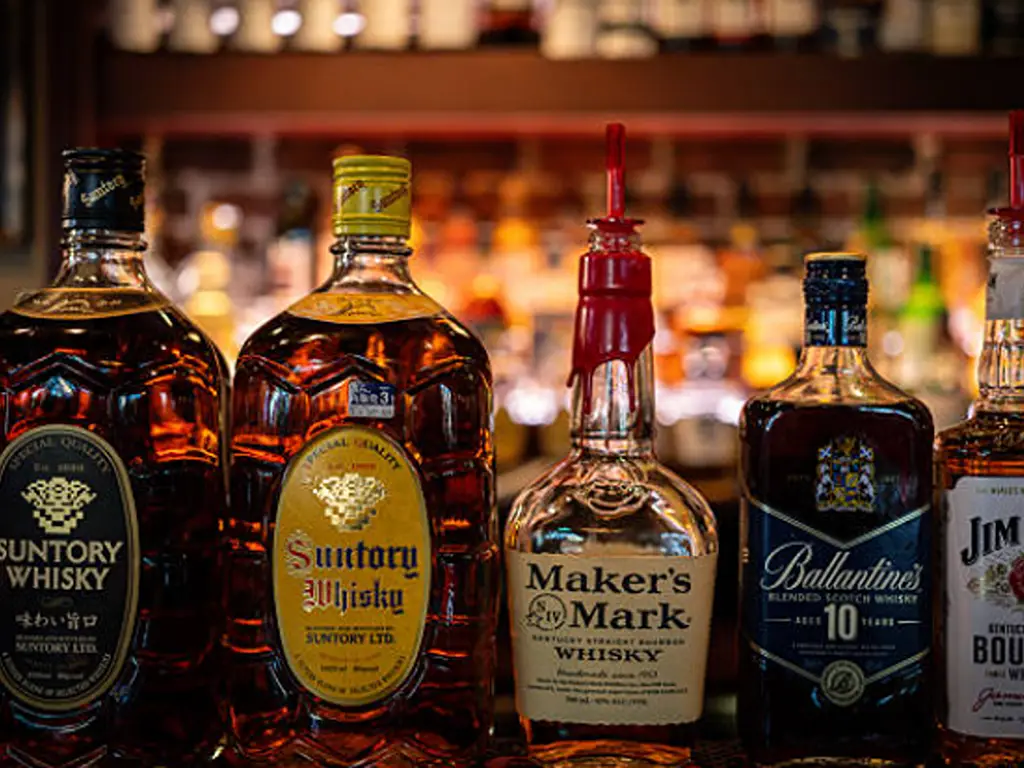
To fully grasp the lifecycle of a high-end spirit, it is essential to compare the deeply interactive, chaotic environment of a maturation warehouse with the sterile, uncompromising confinement of retail glass packaging.
The Dynamics of Oak Cask Maturation
The true magic of whiskey creation happens exclusively inside the barrel. Global regulations mandate the use of oak casks precisely because oak is an active chemical participant, not merely a storage container.
- Thermal Pumping: As warehouse temperatures fluctuate, the liquid physically expands into the porous wood during summer heat and contracts during the winter chill.
- Flavor Extraction: This constant, seasonal movement actively dissolves hemicellulose (yielding sweet caramel notes) and degrades lignin (releasing rich, aromatic vanillin) directly into the spirit.
- The Angel’s Share: The breathable nature of the wood allows for continuous micro-oxygenation, driving complex esterification reactions while allowing 2% to 3% of the liquid to evaporate into the atmosphere annually.
| Variable | Oak Cask (Active Maturation) | Glass Bottle (Static Stagnation) |
|---|---|---|
| Oxygen Interaction | Porous structure allowing constant, necessary micro-oxygenation. | Absolute physical barrier; almost zero oxygen transmission. |
| Flavor Sourcing | Extracts tannins, vanillin, and rich color directly from the wood. | Isolated environment; no chemical extraction possible. |
| Liquid Volume | Annual evaporation loss (The Angel’s Share). | Theoretically constant, entirely dependent on seal integrity. |
The Inert Environment of a Glass Bottle
Once a master blender decides that a cask has reached its absolute peak, the liquid is pumped into glass. Glass is an amorphous solid renowned in chemistry for its absolute structural inertness. Unlike oak, glass will never leach compounds into the liquid, nor will it absorb any.
When the spirit enters the glass, its developmental clock stops instantly. If you take a pristine 12-year-old single malt, seal it flawlessly, and leave it in a vault for an entire century, it remains exactly a 12-year-old single malt. Its age and foundational flavor profile are permanently frozen.
Unopened vs Opened Bottles: The Oxidation Timeline
While a spirit does not actively improve in the bottle, it is heavily susceptible to severe degradation if poorly managed. The most common anxiety among investors and casual drinkers alike is determining the practical shelf life of their liquid assets.
Shelf Life of a Sealed Vintage
In pure scientific theory, a perfectly sealed bottle of high-ABV liquor boasts an indefinite shelf life. However, maintaining a perfect seal over several decades is incredibly difficult. The greatest threat is a failing closure mechanism, which silently facilitates slow evaporation and destructive oxidation.
To evaluate the health of a vintage bottle without breaking the seal, industry experts rely on Fill Level Grading. The ullage—the empty space between the liquid and the cork—reveals the absolute truth about a bottle’s integrity:
- Base of Neck: The ideal condition. The liquid rests right at the bottom of the neck, indicating an uncompromised seal and zero harmful evaporation.
- Top Shoulder: The liquid has dropped slightly to the upper curve. For a spirit bottled 20 to 30 years ago, this is highly acceptable and represents natural micro-evaporation.
- ⚠️ Mid Shoulder (or below): A Severe Red Flag. The closure has definitively failed. A significant volume of alcohol has evaporated, and external oxygen has rushed in, irreversibly oxidizing the tasting profile.
The Countdown of an Opened Bottle
A widespread assumption is that an opened bottle of liquor will last forever on your bar cart. In reality, the moment you pop the cork, you permanently break the vacuum seal and introduce ambient air into the bottle. This air occupies the empty volume known as the “headspace.” The chemical relationship is brutal: the larger the headspace, the faster the oxidation.
As oxygen molecules interact with the liquid, they aggressively attack the delicate ester chains responsible for complex floral and fruity notes. The degradation timeline accelerates non-linearly:
- Above 2/3 Full: Oxidation is relatively slow. The bottle can safely sit on your shelf for 1 to 2 years with only negligible changes to its profile.
- Between 1/3 and 2/3 Full: Degradation becomes highly noticeable. You have approximately 6 to 8 months before the subtle complexities flatten out into a generic alcohol burn.
- ⚠️ Below 1/3 Full: The Absolute Danger Zone. Oxidation accelerates exponentially. If no physical intervention is taken (like transferring to a smaller sample bottle or injecting argon gas), the delicate aromas will be completely eradicated within 2 to 3 months.
Demystifying the Old Bottle Effect (OBE)
If whiskey remains frozen in time, why do experienced tasters often claim that an Islay malt from the 1970s tastes significantly softer and fruitier than a modern release of the exact same age statement? This discrepancy is the result of the Old Bottle Effect (OBE).
It is critical to distinguish between maturation and degradation. OBE is not maturation; it is a slow process of chemical breakdown caused by decades of micro-oxygenation through the microscopic imperfections of the cork.
- Phenolic Breakdown: Heavy, pungent phenolic compounds (responsible for aggressive medicinal and campfire smoke notes in peated whiskies) are chemically unstable. Over decades, these phenol chains dissipate. A previously aggressive peaty monster may present as a soft, tropical dram today.
- Ester Degradation: The breakdown of long-chain esters can introduce entirely unintended flavors. Some vintage bottles develop distinct metallic notes, a dusty library aroma, or a waxy, soapy texture on the palate.
- Unpredictable Results: OBE is a gamble. Sometimes it creates a remarkably elegant drinking experience that collectors pay a premium for; other times, it leaves the liquid tasting flat, tired, and distinctly past its prime.
Collector-Grade Whiskey Storage Protocols
Knowing that OBE and oxidation are chemical inevitabilities, how can a collector protect their investments and slow down this degradation? The answer lies in rigorous storage protocols that respect the thermodynamic properties of high-proof spirits.
Climate Control and Environmental Parameters
While direct UV light is a universally acknowledged enemy—capable of permanently bleaching color and shattering ester chains—temperature management is frequently misunderstood. Many believe that as long as a bottle is out of the sun, any room temperature is fine. Because of its high ABV, whiskey does not require the chilling cellar conditions demanded by fine wines.
The true silent killer is Extreme Diurnal Temperature Variation (drastic swings between day and night). If a room gets hot during the afternoon and freezing at night, the air in the bottle’s headspace will continuously expand and contract. This thermodynamic pumping action exerts immense pressure on the base of the cork, eventually pushing it upward. ⚠️ This “cork popping” permanently breaks the seal. Collectors should maintain a highly stable ambient environment between 15°C and 20°C (59°F – 68°F).
Cork Management and Upright Storage
Another destructive habit is storing whiskey bottles on their side to keep the cork wet. Applying this wine storage logic to spirits will destroy your collection. Wine is bottled at around 12% to 14% ABV, requiring horizontal storage. Whiskey sits at a potent 40% to 60% ABV.
If you lay a bottle of high-proof spirit on its side, the intense concentration of alcohol immediately acts as a powerful solvent. Over just a few months, the alcohol will literally eat away at the structural binders of the natural cork. ⚠️ This “cork rot” causes the cork to disintegrate, dropping bitter woody debris into your liquid and destroying the airtight seal. High-proof spirits must absolutely always be stored strictly upright.
The Final Line of Defense: Why Brand Packaging Defines Shelf Life
While collectors can diligently control their basement temperature, the absolute ceiling of a spirit’s lifespan is predetermined on the bottling line. If the manufacturer utilizes inferior materials, no amount of consumer vigilance can stop the inevitable degradation of the asset.
The Material Hierarchy: Glass vs. Ceramic vs. PET
In the world of packaging engineering, understanding the material hierarchy is crucial. Not all vessels are created equal:
- Premium Glass: High-quality, chemically inert glass remains the undisputed and only acceptable vessel for premium, multi-decade liquid preservation.
- Ceramic and Stoneware: Heavily favored for commemorative releases, ceramic jugs are incredibly problematic. Unless the internal glaze is flawless, ceramic acts as a breathable clay, leading to shocking evaporation rates. Furthermore, opaque ceramics completely blind the collector, making visual appraisal impossible.
- ⚠️ PET Plastic: Often utilized for budget brands, PET is structurally porous with a high Oxygen Transmission Rate (OTR). Long-term storage leads to the leaching of chemical plasticizers and rapid oxidation.
Closure Integrity and The Manufacturer’s Responsibility
Shifting the entire burden of oxidation prevention onto the collector is a precarious strategy for distilleries. Leaking closures directly lead to brand depreciation and plummeting auction values. This is exactly why premium spirits brands partner with Nuvole Glass. By engineering customized closure solutions utilizing anti-corrosive polymers and food-grade silicone, Nuvole ensures ultra-low oxygen transmission rates that physically block high-ABV erosion. Furthermore, their commitment to Premium Super Flint Glass delivers flawless, distortion-free clarity, maximizing shelf premiumization while allowing collectors to accurately monitor fill levels. Backed by automated industrial-scale quality control that mandates triple surface defect inspections and 100% pressure leak testing, Nuvole guarantees the liquid asset remains perfectly preserved from the bottling line to the collector’s shelf.
Conclusion
The golden rule of the spirits industry remains an undeniable chemical truth: age is forged in the wood, not in the glass. Once that precious liquid is sealed inside its final vessel, it embarks on a one-way street of static preservation or slow degradation. While exceptional industrial packaging and rigorous, temperature-controlled storage can effectively freeze time, the liquid will never mature into an older vintage. Ultimately, the absolute safest way to prevent your prized collection from oxidizing is simply to gather your closest friends, pull the cork, and enjoy the spirit exactly as the master blender intended.
Protect Your Liquid Assets
Discover how our Premium Super Flint Glass and advanced closure technology can safeguard your brand’s legacy for decades.
Contact Nuvole Glass