Welcome to the definitive exploration of Chanel No. 5 bottles through the years. This article is an uncompromising, highly technical vetting guide designed for serious collectors. By decoding a century of subtle engineering shifts, typography modifications, and glassmaking milestones, we equip you with the chronological evidence needed to authenticate any Chanel No. 5 bottle, separating true historical artifacts from modern reproductions.
- I. The Structural Evolution Discover the engineering history behind the silhouette
- II. The Visual Dating Matrix A quick cheat sheet for era identification
- III. Chronological Authentication Step-by-step verification parameters by decade
- IV. The Manufacturing Chasm The elite glassmaking secrets counterfeiters cannot replicate
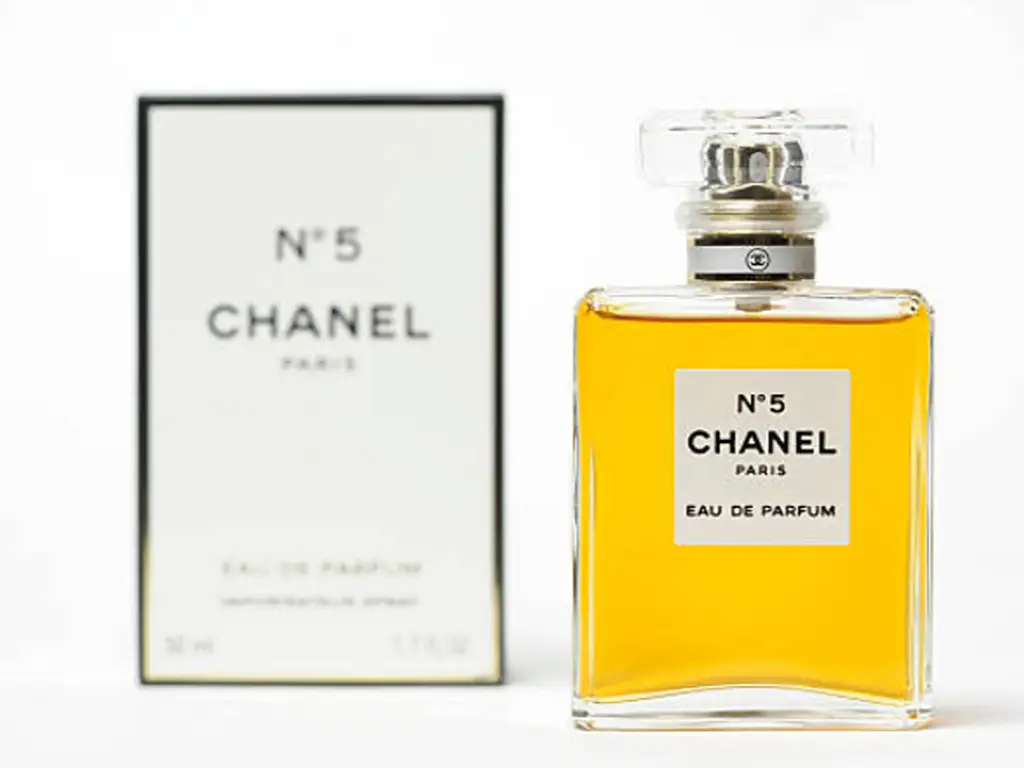
The Engineering and Structural Evolution: From Fragile Flacon to Modern Vaporisateur
To truly understand how to date these iconic vessels, one must first comprehend the historical and engineering friction that forced their evolution. Gabrielle “Coco” Chanel’s original vision was a radical departure from the ornate crystal flacons of the early 20th century. She desired a minimalist laboratory vial. However, turning this avant-garde vision into a globally distributed commodity required significant structural engineering.
Overcoming Fragility: The 1924 Beveled Redesign
The very first iteration of the Chanel No. 5 bottle in 1921 was notoriously fragile. Forged with incredibly thin glass walls, the original laboratory-style vial was incapable of surviving international export. In 1924, the bottle underwent its most critical redesign.
Engineers thickened the glass exponentially, creating a substantial base. More importantly, the vulnerable rounded edges were aggressively faceted, introducing the iconic beveled edges. This geometry distributed physical stress far more efficiently across the glass matrix. Additionally, due to the limitations of 1920s furnace temperature controls, the high-flint glass used in these early production runs often failed to completely degas, leaving microscopic bubbles suspended within the thickest parts of the glass base—an objective engineering artifact of the time.
The Atomizer Revolution and the Evolving Stopper Geometry
For the first few decades, Chanel No. 5 was strictly a “splash” application. The commercialization of aerosol technology in the 1950s and 1960s necessitated a fundamental architectural shift. The transition to the modern vaporisateur (spray) required complex metal collars, crimping mechanisms, and internal dip tubes.
Simultaneously, the iconic stopper evolved. In 1921, it was a modest glass plug. By 1924, it gained its signature octagonal shape, mirroring the Place Vendôme in Paris. As decades progressed, the stopper grew significantly larger and thicker, acting as a bold, diamond-cut sculptural counterbalance to the heavy base.
Beyond the Glass: The Evolution of the Iconic White Box
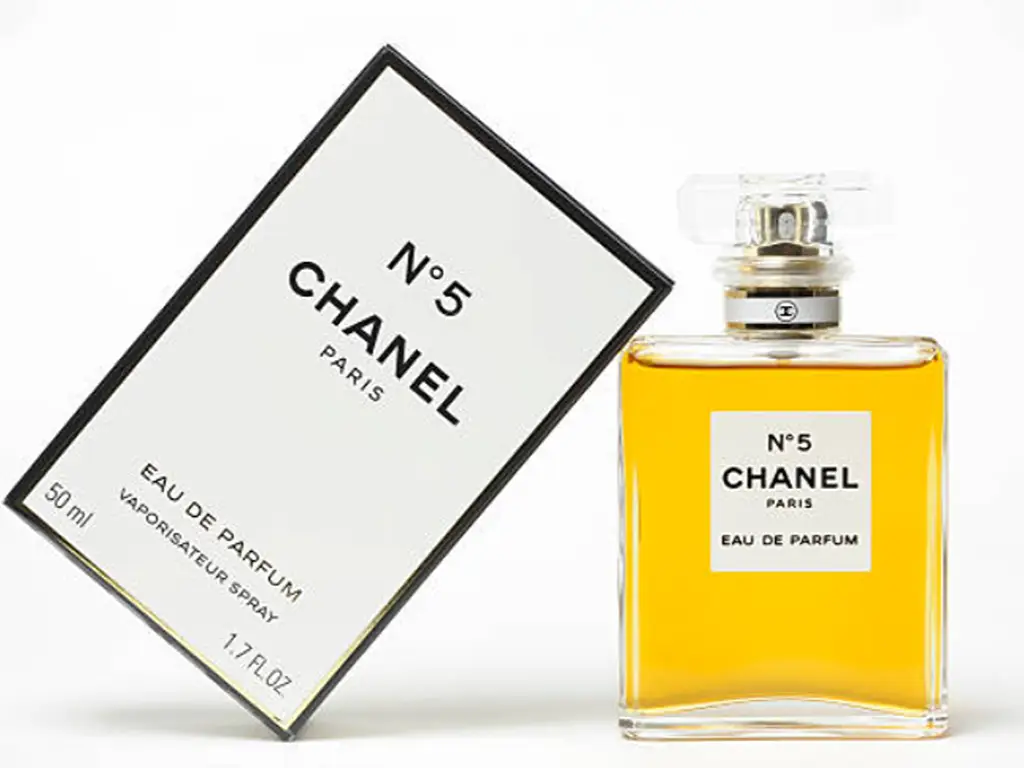
The exterior packaging is an equally critical historical ledger. The white cardboard box with severe black trim was initially constructed from thick, textured paper stock. By the late 1980s, the paper transitioned to smoother finishes with invisible blind embossing for anti-counterfeiting. Furthermore, due to modern cosmetics regulations, the historically blank back of the box was gradually consumed by massive, highly detailed blocks of text listing ingredients and allergens.
The Visual Chronology Matrix: The Ultimate Collector’s Cheat Sheet
While the previous section explored the historical ‘why’ behind Chanel No. 5’s evolution, this matrix strips away the storytelling to provide the practical ‘what’. This is your streamlined, visual cheat sheet for immediate, on-the-spot chronological dating across four distinct eras.
| Decade | Bottle & Atomizer Profile | Stopper Geometry | Label & Base Details |
|---|---|---|---|
| 1920s – 1930s | Extremely thin glass (1921), evolving into thick base with sharp bevels (1924+). | Small, relatively flat octagonal glass plug. Very little visual weight. | “No. 5” with a distinct dot under the lowercase ‘o’. No trademark symbols. |
| 1950s – 1960s | Heavy glass base established. Introduction of rudimentary travel metal sprays. | Noticeably thicker. Beveling on the cap becomes much more pronounced. | The dot under the ‘o’ is removed. The ® symbol makes its first appearance. |
| 1970s – 1980s | Standard vaporisateurs. Dip tubes are thick, visible, and curve at the bottom. | Massive, heavy diamond proportions. The stopper dominates the bottle. | Capacity shifts to ‘ml’ and ‘fl. oz.’. Introduction of the European ‘e’ sign. |
| 1990s – Present | Perfected geometry. Atomizers feature almost invisible dip tubes. | Large proportions but refined with extremely high precision molding. | Barcodes and Green Dots appear. 4-digit batch codes etched on the base. |
Hardcore Authentication: The Chronological Vetting Guide
True vintage perfume authentication relies heavily on chronological elimination. Counterfeiters frequently mix up historical eras. By meticulously analyzing typographical fingerprints and hardware nuances according to their precise timeline, you can build an impenetrable case.
Pre-1960s Era: The “Dot”, Trademarks, and Stoppers
When evaluating antique flacons claiming to be from the pre-1960s era, your primary focus must be on the paper label and the raw physical properties of the glass.
- The Dot Under the ‘o’: Look closely at “No. 5” on the label. Prior to roughly 1947, there is a distinct black dot beneath the lowercase ‘o’. If a seller claims a bottle is from the 1930s and there is no dot, walk away.
- The Registered Trademark (®): The registered trademark symbol (®) did not begin appearing next to “CHANEL” until the late 1950s.
- Glass Micro-Bubbles: As a physical verification of early manufacturing limitations, genuine bottles from the 1920s and 30s often contain microscopic air bubbles deep within the heavy glass base—a feature modern counterfeiters cannot intentionally replicate.
1970s to 1980s: Capacity Shifts, the “e” Mark, and Early Atomizers
During the 1970s and 1980s, international trade regulations underwent massive standardization, leaving undeniable forensic markers.
- The Metric Conversion: Prior to the 1970s, capacity was often denoted in cubic centimeters (“cc”). During the 70s, Chanel transitioned to modern metric and imperial standards (“ml” and “fl. oz.”).
- The Estimated Sign (‘e’): Towards the late 1970s, EU directives mandated the estimated sign (lowercase ‘e’). If present, the item definitively post-dates the late 1970s.
- Hardware Tells: Early spray vaporisateurs from the 1980s utilize internal plastic dip tubes that are noticeably thicker, opaque, and often curve dramatically along the bottom, unlike modern invisible tubes.
1990s to Present: Barcodes, Green Dots, and Batch Codes
Modern vintage bottles from the 1990s onward require reliance on supply chain codes and specific environmental symbols to thwart sophisticated counterfeiting.
- The Introduction of Barcodes: Scannable barcodes appeared reliably around 1989 to 1990.
- The Green Dot Geographical Lag: Introduced in 1992, the Green Dot symbol appeared on “Made in France” versions first. North American (“Made in USA”) production runs exhibited a significant time lag. Always cross-reference this with the 4-digit batch code.
- The 4-Digit Batch Code System: A rolling 4-digit system stamped or etched onto the bottom edge of the glass, indicating exact month and year of production, recycling every 8 years.
The Universal Failsafes: Baudruchage and Glassmaker Embossing
For pure Parfum Extrait, there are physical failsafes counterfeiters cannot replicate due to the prohibitive cost of artisanal labor and proprietary tooling.
- Baudruchage: As documented by vintage fragrance archivists like Cleopatra’s Boudoir, genuine pure parfum is sealed by hand using a natural membrane, crossed pearl-cotton threads with a specific knot, and a flawless double-C black wax seal.
- Pochet du Courval Stamp: Chanel entrusted its finest glass to elite French glassmakers. In heavy-base flacons, look for the deeply embossed, conjoined “HP” logo molded directly into the glass matrix.
The Manufacturing Chasm: Why Authentic Luxury Glass Defies Counterfeiting
The reason counterfeiters consistently fail to replicate a vintage or modern Chanel No. 5 bottle lies in the sheer engineering impossibility of cheap glassmaking. Bridging this manufacturing chasm requires uncompromising standards, much like the elite solutions we engineer at Nuvole Glass. Replicating true structural perfection involves advanced furnace thermal controls with Super Flint glass to ensure even the thickest luxury bases are completely devoid of optical distortion. Furthermore, achieving razor-sharp, seamless beveled edges is impossible with standard casting; it requires high-precision CNC-machined steel molds combined with highly expensive fire polishing techniques to meticulously melt away parting lines. Finally, fully automated hardware integration guarantees zero-tolerance bottleneck dimensions for a flawless atomizer crimp. By mastering these intricate parameters, we empower premium fragrance brands to build their own legacy silhouettes.
Conclusion: The Enduring Legacy
The Chanel No. 5 bottle is far more than a container; it is a profound reflection of 20th-century modernism and a masterclass in industrial design. From the heavy, fire-polished chamfers conceived in 1924 to the rigorous standardization of the 1970s, every modification has served to protect its minimalist purity. Armed with this chronological evidence, you can navigate the vintage market with absolute confidence, holding a tangible piece of architectural history.
Ready to Engineer Your Own Timeless Silhouette?
Discover how our mastery of Super Flint glass, fire polishing, and zero-tolerance engineering can elevate your brand.
Consult Nuvole Glass Experts